Understanding Your Vehicle's Warning Lights
Modern vehicles come equipped with various dashboard warning lights designed to alert you when something requires your attention. These lights can be a bit confusing, but understanding what they mean is crucial for maintaining your vehicle's health and safety. In this guide, we'll demystify some common warning lights and what you should do when they illuminate.
Engine Warning Light
The engine warning light, often shaped like an engine block, is one of the most critical warning lights. When it lights up, it could indicate a range of issues, from minor ones like a loose gas cap to more severe problems with the engine's components. If this light comes on, it's best to have your vehicle checked by a professional mechanic to prevent further damage.
Brake System Warning Light
The brake system warning light looks like an exclamation point inside a circle and signals potential issues with your braking system. It could mean your brake fluid is low, your brake pads are worn, or there's a more severe problem with your brakes. Given the crucial role brakes play in your safety, never ignore this warning light
Check Oil Warning Light
The oil can symbol, often accompanied by the word "OIL," tells you that your engine's oil level is low. Adequate oil is essential to lubricate the engine's moving parts and prevent overheating. If you see this light, check your oil level and top it up if necessary. If it continues to illuminate, consult a mechanic as it may indicate an oil leak or other issues.
Battery Warning Light
The battery warning light, resembling a battery or the letters "ALT" (for alternator), signals potential problems with your vehicle's electrical system. It could be a failing battery, a faulty alternator, or a loose or damaged alternator belt. Ignoring this light may lead to a dead battery and an inoperable vehicle.
Tire Pressure Monitoring System (TPMS) Light
The TPMS light looks like an exclamation point inside a horseshoe-shaped tire. When it lights up, it means there's an issue with your vehicle's tire pressure. Proper tire pressure is crucial for safety, handling, and fuel efficiency. If you see this light, check your tire pressure and inflate or deflate them as needed.
Understanding your vehicle's warning lights is essential for maintaining your vehicle's health and safety. If any warning light illuminates, it's advisable to consult a professional mechanic to diagnose and address the issue promptly. Ignoring these warnings can lead to more severe problems and potentially compromise your safety on the road.

The Crucial Vehicle Fuel Line: Making Repairs on Time
As vehicle owners, we often overlook the intricate systems that keep our machines running smoothly until something goes wrong. One such crucial component is the fuel line, a seemingly simple yet vital part of your vehicle's operation. Ignoring issues with your fuel line can lead to dire consequences, both for your vehicle's performance and your safety on the road.
Understanding the Purpose of a Fuel Line
The fuel line serves as the conduit through which gasoline or diesel flows from the fuel tank to the engine, where it's combusted to power the vehicle. Essentially, it's the lifeline of your vehicle, ensuring that the engine receives the fuel it needs to operate efficiently.
Recognizing Signs of a Faulty Fuel Line
Like most automotive problems, a faulty fuel line typically presents warning signs before it escalates into a major issue. Some common indicators that your vehicle's fuel line may need attention include:
- Fuel Leaks: Noticeable puddles of fuel underneath your vehicle or a strong smell of gasoline could signify a leak in the fuel line.
- Engine Performance Issues: If your engine sputters, hesitates, or stalls unexpectedly, it could be due to insufficient fuel reaching the engine, often caused by a clogged or damaged fuel line.
- Decreased Fuel Efficiency: A sudden drop in fuel efficiency could point to fuel line problems, as leaks or blockages can disrupt the smooth flow of fuel to the engine.
Consequences of Neglecting Fuel Line Repair
Ignoring issues with your fuel line can have serious repercussions, not only for your vehicle but also for your safety. A faulty fuel line can lead to:
- Engine Damage: Insufficient fuel supply can cause your engine to run lean, leading to overheating and potentially irreversible damage.
- Fire Hazard: Fuel leaks pose a significant fire hazard, as gasoline is highly flammable. A neglected leak can result in a catastrophic fire, endangering both occupants and bystanders.
- Environmental Impact: Fuel leaks not only waste precious resources but also contribute to environmental pollution, as spilled gasoline can contaminate soil and water sources.
Why Professional Repair is Essential
When faced with fuel line issues, seeking the expertise of a qualified technician is paramount. Attempting DIY repairs or trusting inexperienced individuals can exacerbate the problem and compromise your safety. Professional technicians have the knowledge, tools, and experience to accurately diagnose and repair fuel line issues, ensuring the continued reliability and safety of your vehicle.
Conclusion: Trust Our Auto Repair Shop for Reliable Fuel Line Repairs
Don't wait until a minor issue turns into a major headache. If you suspect problems with your vehicle's fuel line or notice any of the warning signs mentioned above, contact our auto repair shop immediately. Our team of skilled technicians will conduct a thorough inspection, diagnose the issue, and provide prompt and reliable repairs to get you back on the road safely. Your vehicle's performance and your safety are our top priorities. Call us today to schedule an appointment and experience the difference in expert automotive care.
08/15/2024Read more
Why Regular Tire Rotations Are Vital for Vehicle Performance
Tire rotations are a critical aspect of regular vehicle maintenance that often goes overlooked. Ensuring even tire wear is essential for maximizing tire life and maintaining optimal vehicle performance. When tires wear unevenly, it can lead to several issues that impact not only the tires but also the overall safety and efficiency of your vehicle.
Why Tire Rotations Matter
Tires wear at different rates depending on their position on the vehicle. For instance, front tires often wear out faster than rear tires due to the added weight and stress from steering and braking. By rotating your tires regularly, you distribute the wear more evenly across all four tires. This can extend the life of your tires, ensuring you get the most out of your investment.
Effects of Uneven Tire Wear
Uneven tire wear can significantly affect your vehicle's performance. Here are some key areas impacted by improper tire condition:
- Handling and Stability: Worn-out tires can cause your vehicle to handle poorly, especially in adverse weather conditions. Uneven tire wear can lead to a less stable ride, increasing the risk of accidents.
- Fuel Efficiency: Tires that are not properly maintained can increase rolling resistance, which means your engine has to work harder. This can lead to decreased fuel efficiency and higher fuel costs.
- Tire Longevity: Failing to rotate your tires regularly can result in premature tire replacement. Uneven wear can cause some tires to wear out much faster than others, meaning you'll need to replace them more frequently.
- Ride Comfort: Uneven tire wear can lead to vibrations and a less comfortable ride. This not only affects your driving experience but can also put additional stress on your vehicle's suspension system.
- Owner's Manual: Always start with your vehicle’s owner’s manual. The manufacturer provides guidelines tailored to your specific vehicle, which can help ensure you’re following the best practices for tire maintenance.
- Tire Type and Tread Pattern: Different tires and tread patterns may require different rotation patterns. For example, directional tires, which are designed to rotate in one direction, need a specific rotation method compared to non-directional tires.
- Driving Conditions: If you frequently drive in harsh conditions—such as off-road, in heavy traffic, or on rough terrain—you might need to rotate your tires more frequently. These conditions can cause tires to wear out faster, making regular rotations even more critical.
- Front-Wheel Drive (FWD), Rear-Wheel Drive (RWD), All-Wheel Drive (AWD): The drivetrain of your vehicle also affects how quickly your tires wear. For instance, front-wheel-drive vehicles often see more wear on the front tires due to the combined weight of the engine and the steering demands. In contrast, rear-wheel-drive vehicles may experience more balanced wear but still benefit from regular rotations. All-wheel-drive vehicles, which distribute power to all four wheels, may have more even tire wear but still require regular rotations to maintain optimal performance.
- Visual Inspection: Regularly inspect your tires for uneven wear patterns. If you notice that the tread on one or more tires is significantly more worn than on others, it might be time for a rotation, even if you haven't hit the mileage mark.
- Scheduled Maintenance: Align your tire rotations with other scheduled maintenance tasks. For instance, rotating your tires during every oil change can simplify your maintenance routine and ensure that you never miss a rotation.
When to Rotate Your Tires
Experts recommend rotating your tires every 5,000 to 7,500 miles, but the specific interval can vary depending on your vehicle type, driving habits, and the tires themselves. Here are some key points to consider when determining the best schedule for tire rotations:
The Importance of Investing in Regular Tire Rotations
Investing in regular tire rotations is a simple yet effective way to ensure your vehicle performs at its best. Not only does it promote even tire wear, but it also enhances handling, fuel efficiency, and overall ride comfort. For professional tire repair and tire service, trust a reputable auto repair shop to keep your tires in top condition.
By maintaining your tires properly, you can enjoy a smoother, safer ride while extending the life of your tires. Prioritize tire rotations as part of your regular vehicle maintenance routine, and you'll reap the benefits in the long run.
10/01/2024Read more
Vehicle Electrical Issues: Navigating the Maze and Causes
Your vehicle's electrical system is a complex network responsible for powering essential components and accessories. When issues arise, understanding the common culprits and addressing them promptly is crucial for maintaining your vehicle's reliability and safety on the road.
Common Culprits of Vehicle Electrical Issues
- Battery Problems: The Power Source Woes
A dead or weak battery is often the root cause of electrical issues in vehicles. Over time, batteries naturally lose their charge, exacerbated by factors like extreme temperatures and electrical drain from accessories left on when the engine is off. Routine battery checks and timely replacements can prevent starting problems and unexpected breakdowns.
However, batteries can also fail prematurely due to a variety of factors. Extreme temperatures, both hot and cold, can accelerate the deterioration of the battery's internal components, leading to reduced performance and lifespan. Additionally, excessive electrical load from aftermarket accessories or a faulty charging system can strain the battery, causing it to degrade more rapidly.
- Faulty Alternator: The Charging Conundrum
The alternator plays a vital role in charging the battery while the engine is running. If it fails, the battery may not receive a proper charge, leading to electrical issues and eventual battery drain. Age, wear and tear, or issues with the voltage regulator can contribute to alternator failure. Prompt replacement is necessary to avoid further electrical complications.
An alternator's lifespan can vary depending on factors such as driving habits, operating conditions, and the quality of the part itself. Over time, the internal components of the alternator can wear out, leading to decreased charging efficiency or complete failure. Signs of alternator trouble include dimming headlights, a dead battery, or warning lights on the dashboard indicating charging system issues.
- Starter Troubles: The Engine Ignition Dilemma
A malfunctioning starter can prevent the engine from starting or cause difficulty in starting. Problems with the starter motor, solenoid, or wiring can arise due to wear and tear, electrical faults, or poor maintenance. Timely diagnosis and repair by a qualified technician are essential to ensure reliable engine ignition.
Starter issues can manifest in various ways, including a clicking sound when turning the key, grinding noises, or no response at all when attempting to start the vehicle. Ignoring starter problems can leave you stranded, as the engine will fail to crank and start. In some cases, a failing starter may exhibit intermittent issues before failing completely, providing an opportunity for diagnosis and repair before a breakdown occurs.
- Ignition Switch Issues: The Electrical Gateway Hindrance
Issues with the ignition switch can disrupt the flow of electricity to various vehicle components, leading to starting problems, intermittent electrical failures, or complete power loss. Over time, wear and tear or electrical faults can compromise the ignition switch's functionality. Prompt repairs or replacement are crucial to prevent further electrical issues.
Ignition switch problems can manifest in various ways, including difficulty turning the key, intermittent starting issues, or unexpected engine shutdown while driving. Ignoring these symptoms can lead to further complications, including failure to start the vehicle or loss of power while driving. In severe cases, a faulty ignition switch can pose a safety hazard, as it may prevent essential vehicle systems such as the airbags or anti-lock brakes from functioning properly.
- Wiring or Connection Woes: The Connectivity Conundrum
Loose, corroded, or damaged wiring and connections can cause electrical issues such as intermittent power loss, malfunctioning lights or accessories, or even electrical fires. Exposure to moisture, heat, or vibration can degrade wiring and connections over time. Regular inspection and maintenance can prevent electrical problems caused by faulty wiring.
Wiring and connection issues can be challenging to diagnose and repair, as they may be hidden from view or require specialized tools and expertise to identify. Symptoms of wiring or connection problems include flickering lights, sporadic operation of electrical components, or burning smells coming from the vehicle's interior or engine compartment. Ignoring these symptoms can lead to more extensive damage or safety hazards, making prompt repair essential.
The Importance of Timely Maintenance and Repairs
Ignoring electrical issues in your vehicle can lead to more extensive and expensive repairs down the line. Addressing problems promptly not only prevents inconvenience but also ensures the safety and reliability of your vehicle. Regular maintenance, including battery checks, alternator inspections, and wiring assessments, can identify potential issues before they escalate.
Routine maintenance is essential for identifying and addressing electrical issues before they become major problems. Regular inspections of the battery, alternator, starter, ignition system, and wiring can help detect signs of wear, damage, or malfunctioning components. Prompt repairs or replacements can prevent further damage and ensure the continued reliability and safety of your vehicle.
Conclusion
Understanding the complexities of vehicle electrical systems and addressing issues promptly is vital for maintaining the reliability and safety of your vehicle. Whether it's a dead battery, faulty alternator, starter troubles, ignition switch issues, or wiring woes, ignoring electrical problems can lead to more significant and costly repairs down the road. By prioritizing regular maintenance and seeking professional assistance at the first sign of trouble, you can ensure your vehicle's electrical system remains in top condition, providing peace of mind and reliable performance on every journey. Trust our auto repair shop for expert electrical repairs and maintenance services—schedule an appointment today to keep your vehicle running smoothly.
09/01/2024Read more
Essentials of Shocks and Struts: Mastering Smooth Rides
In the intricate dance between your vehicle and the road, two unsung heroes play a pivotal role in delivering a smooth and controlled performance: shocks and struts. These often-overlooked components are integral to your vehicle's suspension system, influencing everything from ride comfort to handling. In this blog, we'll embark on a journey into the world of shocks and struts, exploring their purpose, where they are located in your vehicle, and the signs that indicate when it's time for replacement or repairs.
The Purpose of Shocks and Struts
- Shocks: A Ballet of Dampening Motion
- Shocks, or shock absorbers, are akin to the ballet dancers of your vehicle's suspension system. Their primary purpose is to dampen and control the up-and-down movement of your vehicle's suspension.
- When your vehicle encounters bumps, potholes, or uneven road surfaces, shocks absorb the kinetic energy generated, preventing excessive bouncing, and ensuring the tires maintain consistent contact with the road.
- In essence, shocks transform the potentially jarring movements of your vehicle into a smoother, more controlled dance.
- Struts: The Multifaceted Maestros
- Struts, on the other hand, serve as multifaceted maestros within the suspension orchestra. They not only dampen vertical motion but also provide structural support.
- Found on both the front and rear of some vehicles, struts contribute to the stability and alignment of the vehicle. They bear the weight of the vehicle's engine, enhancing overall structural integrity.
- Struts play a crucial role in maintaining your vehicle's composure, ensuring a harmonious blend of stability and comfort.
Where Shocks and Struts Are Located
Understanding where these components reside in your vehicle is essential for appreciating their impact on different aspects of your driving experience:
- Front Suspension: The Dynamic Duo
- In many vehicles, the front suspension system is a dynamic duo of shocks and struts working together.
- Struts are commonly found on the front of the vehicle, supporting the weight of the engine, and playing a pivotal role in maintaining proper alignment.
- The collaborative efforts of shocks and struts at the front contribute to responsive handling and a comfortable ride.
- Rear Suspension: Tailored Configurations
- The rear suspension setup varies among different vehicles. Some feature independent rear suspension with struts, while others utilize shocks in conjunction with separate coil or leaf springs.
- Struts or shocks at the rear play a crucial role in maintaining stability and ensuring a consistent ride, adapting to the diverse conditions encountered on the road.
Signs of Shocks and Struts in Distress
Just as a keen eye is essential for a choreographer directing a performance, recognizing signs of wear and tear in shocks and struts is crucial for maintaining optimal driving conditions:
- Uneven Tire Wear: The Footprints of Wear
- Worn shocks or struts can lead to uneven tire wear, manifesting as tread patterns that differ between tires.
- Regularly inspecting your tires for these uneven footprints can serve as an early warning sign of potential suspension issues.
- Excessive Bouncing: Disrupting the Choreography
- If your vehicle continues to bounce excessively after encountering bumps, it may indicate that the shocks or struts are no longer effectively dampening suspension movement.
- Excessive bouncing not only compromises ride comfort but also impacts control and handling, disrupting the choreography of your vehicle’s movements.
- Vehicle Nose Dives or Squats: Unsettling Movements
- During braking, if you observe the front of your vehicle diving forward or the rear squatting down excessively, it could signal worn shocks or struts.
- These unsettling movements impact the stability of your vehicle during braking and acceleration, affecting both safety and comfort.
- Knocking or Clunking Sounds: Discord in the Orchestra
- Unusual noises, such as knocking or clunking sounds when navigating bumps or uneven surfaces, may suggest loose or damaged shocks or struts.
- These audible discordances indicate that the suspension components are no longer securely in place, compromising both comfort and performance.
- Steering Responsiveness Issues: Diminished Precision
- Worn shocks or struts can influence steering responsiveness, making your vehicle feel less stable and more challenging to control.
- A decline in steering precision is a clear signal that the suspension components need attention to restore optimal handling.
Addressing Shocks and Struts Issues
When the performance of your shocks and struts begins to show signs of wear, it's essential to take proactive measures to maintain a smooth and controlled ride:
- Professional Inspection: Precision in Diagnosis
- Schedule a comprehensive inspection by a qualified mechanic to assess the condition of your shocks and struts.
- Professional inspections provide precise insights into the health of these components, enabling accurate diagnosis of issues.
- Replacement: Harmonizing the Ensemble
- If wear or damage is detected, timely replacement of shocks or struts is often the most effective solution.
- New components harmonize the ensemble, restoring your vehicle's handling, ride comfort, and overall stability.
- Regular Maintenance: Fine-Tuning the Performance
- Integrate regular suspension system checks into your vehicle maintenance routine.
- This proactive approach allows for the early detection of potential issues, preventing more extensive and costly repairs down the road.
Conclusion
Shocks and struts may operate silently beneath your vehicle, but their impact on your driving experience is profound. From absorbing road imperfections to providing structural support, these components are instrumental in delivering a comfortable and controlled ride. By understanding their purpose, recognizing their locations, and staying attuned to signs of wear, you empower yourself to take proactive steps in ensuring the longevity and optimal performance of your vehicle's suspension system. As you navigate the roads, consider your shocks and struts the silent conductors, orchestrating a symphony of smooth and enjoyable drives.
06/01/2024Read more
Understanding Engine Misfiring: Causes, Symptoms, Solutions
Engine misfiring can be a frustrating and sometimes alarming issue for drivers. Whether you're behind the wheel of a car, truck, or SUV, the smooth operation of your engine is essential for performance, fuel efficiency, and safety. If you've noticed your vehicle hesitating, jerking, or the check engine light flashing, it might be experiencing a misfire. In this blog, SPACE25 Automotive Care will explore the common causes of engine misfiring, the symptoms to watch out for, and the repair and maintenance services you may need to restore your vehicle's optimal performance.
What is Engine Misfiring?
Engine misfiring occurs when one or more of the engine's cylinders fail to ignite the fuel-air mixture properly. This issue can lead to a variety of problems, from reduced power and fuel efficiency to more serious engine damage if not addressed promptly. Misfires can happen intermittently or continuously, and they often trigger the check engine light, signaling the need for diagnostic evaluation and repair.
Common Causes of Engine Misfiring
Several factors can contribute to engine misfiring, and identifying the root cause is crucial for effective repairs. Here are some of the most common causes:
- Faulty Spark Plugs: Spark plugs are responsible for igniting the fuel-air mixture in the engine cylinders. Over time, they can become worn, fouled, or damaged, leading to weak or no sparks. Replacing spark plugs at recommended intervals is a key maintenance task to prevent misfires.
- Worn Ignition Coils: Ignition coils generate the high voltage needed to create a spark in the spark plugs. If an ignition coil fails or weakens, it can cause a cylinder to misfire. Regular inspection and replacement of ignition coils can help avoid this issue.
- Clogged Fuel Injectors: Fuel injectors deliver fuel into the engine's cylinders. When they become clogged or dirty, they may not supply the correct amount of fuel, causing a misfire. Cleaning or replacing fuel injectors can resolve this problem.
- Vacuum Leaks: A vacuum leak can disrupt the air-fuel mixture in the engine, leading to misfiring. Common culprits include cracked hoses, faulty gaskets, or issues with the intake manifold. Detecting and repairing vacuum leaks is essential for preventing misfires.
- Faulty Sensors: Modern vehicles rely on various sensors, such as the oxygen sensor and mass airflow sensor, to regulate the air-fuel mixture. A malfunctioning sensor can send incorrect data to the engine control unit (ECU), resulting in misfires. Diagnostic tests can help pinpoint and replace faulty sensors.
- Low Compression: Engine cylinders require adequate compression to ignite the fuel-air mixture. Low compression due to worn piston rings, damaged valves, or a blown head gasket can lead to misfires. Repairing or rebuilding the engine may be necessary in severe cases.
- Rough Idling: If your vehicle's engine feels rough or shakes when idling, it could indicate a misfire.
- Hesitation or Jerking: A misfiring engine may cause hesitation, jerking, or stumbling during acceleration.
- Loss of Power: Misfiring can result in reduced engine power, making it difficult to accelerate or maintain speed.
- Poor Fuel Efficiency: Misfires can cause the engine to work harder, leading to decreased fuel efficiency.
- Check Engine Light: A flashing or steady check engine light is often triggered by engine misfiring. A diagnostic scan can reveal specific trouble codes related to misfires.
- Plug Replacement: Regularly replacing spark plugs is a straightforward maintenance task that can prevent misfires. High-quality spark plugs provide reliable ignition and improve engine performance.
- Coil Inspection and Replacement: Technicians can test ignition coils to ensure they are functioning correctly. Replacing faulty ignition coils can restore proper spark and prevent misfires.
- Injector Cleaning: Professional fuel injector cleaning removes deposits and clogs that can cause misfiring. In some cases, replacing faulty fuel injectors may be necessary.
- Leak Detection and Repair: Technicians use specialized equipment to detect vacuum leaks in the engine. Repairing or replacing damaged hoses, gaskets, or intake manifolds can restore the correct air-fuel mixture.
- Testing and Replacement: Diagnostic tools can identify faulty sensors that may be causing misfires. Replacing malfunctioning sensors ensures accurate data is sent to the ECU for optimal engine performance.
- Testing: Compression tests can reveal issues with the engine's cylinders, such as worn piston rings or valve problems. Repairs may include engine rebuilding or replacing damaged components to restore compression.
- Follow the manufacturer's recommended maintenance schedule for spark plug and ignition coil replacement.
- Use high-quality fuel and oil to keep your engine running smoothly and prevent carbon buildup.
- Have your vehicle inspected regularly by qualified technicians who can identify potential issues before they lead to misfires.
Symptoms of Engine Misfiring
Recognizing the signs of engine misfiring can help you address the issue before it leads to more significant problems. Here are some common symptoms to watch out for:
Vehicle Repairs and Maintenance for Engine Misfiring
Addressing engine misfiring promptly is crucial to prevent further damage and ensure your vehicle runs smoothly. Here are some of the essential repairs and maintenance services that may be necessary, and SPACE25 Automotive Care is ready to provide.
Preventing Engine Misfiring
While some causes of engine misfiring are unavoidable, regular vehicle maintenance at SPACE25 Automotive Care can significantly reduce the risk. Here are a few preventative measures we recommend:
Trust the Experts for Engine Repair and Maintenance
If you're experiencing engine misfiring or notice any of the symptoms mentioned above, don't wait to seek professional assistance. Our skilled technicians at SPACE25 Automotive Care specialize in diagnosing and repairing engine issues for cars, trucks, and SUVs. With our state-of-the-art diagnostic equipment and extensive experience, we can quickly identify the root cause of the problem and provide reliable, cost-effective solutions to get you back on the road with confidence.
Schedule your appointment today by booking through our website at SPACE25 Automotive Care. Let us take care of all your vehicle's engine repair and maintenance needs. Whether it's replacing spark plugs, inspecting ignition coils, or detecting vacuum leaks, our team is here to ensure your vehicle runs at its best. Trust SPACE25 Automotive Care for expert service and quality repairs that keep your engine purring smoothly.
10/15/2024Read more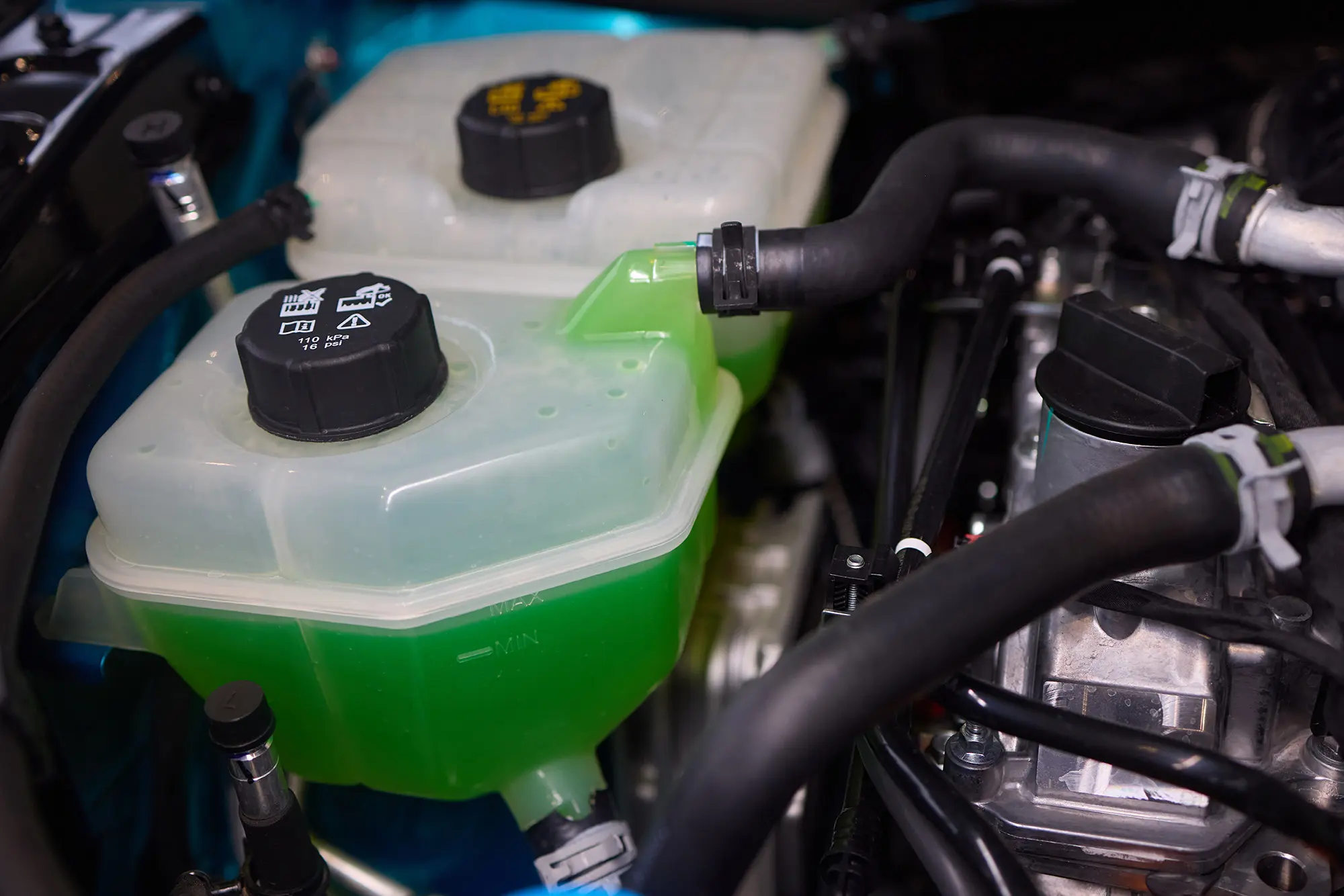
Why Fluid Service is Important Preventative Maintenance
Fluid services are critical components of maintaining the health of your vehicle. From an oil change to a coolant flush, these services help keep your engine running smoothly and can help extend the life of your vehicle. At our reputable automotive repair shop, expert technicians use high-quality products to provide fluid service and keep your vehicle in top condition. They will drain and replace the old oil or coolant with high-quality products that are specifically designed for your vehicle. The technicians will also perform a thorough inspection of your vehicle's engine and its related components to ensure that there are no other issues that need to be addressed.
Oil changes
An oil change is one of the most important fluid services your vehicle needs. It helps to keep your engine lubricated and running smoothly. The oil in your vehicle becomes contaminated over time and loses its ability to lubricate the engine, which can cause damage to internal parts. An oil change at our trusted automotive repair shop will ensure that your vehicle runs with fresh, clean oil.
Coolant Flushes
A coolant flush is another important fluid service for your vehicle. Coolant, also known as antifreeze, helps regulate your engine’s temperature and protects it from overheating. Over time, coolant can become contaminated with rust and other debris, which can clog the engine's cooling system and lead to damage. A coolant flush at our professional automotive repair shop will remove the old, contaminated coolant and replace it with fresh, clean coolant to keep your engine running at optimal temperature. By investing in regular fluid services, you can help prevent potential problems from becoming bigger and more expensive to repair. For example, a clogged engine's cooling system can cause the engine to overheat, which can lead to serious damage to internal parts. This can result in costly repairs that could have been prevented with a simple coolant flush.
Other Types of Fluid Maintenance
In addition to oil changes and coolant flushes, a reputable automotive repair shop can also provide a range of other fluid services, including:
- Transmission fluid services
- Power steering fluid services
- Brake fluid services
Benefits of Regular Fluid Maintenance
Regular fluid services also help improve your vehicle's fuel efficiency. When your engine is running smoothly, it uses less fuel, which can save you money at the gas pump. By investing in regular fluid services, you can also help reduce your vehicle's carbon footprint and contribute to a cleaner environment. Scheduling regular fluid services at our reputable automotive repair shop can also give you peace of mind. You can rest assured that your vehicle is in good hands and that our expert technicians will perform a thorough inspection of your vehicle's engine and its related components. They will catch any potential issues before they become bigger problems, which can save you money and help extend the life of your vehicle.
In conclusion, vehicle fluid services are an important form of preventative maintenance that can help extend the life of your vehicle, improve its fuel efficiency, and give you peace of mind. By investing in regular fluid services at our reputable automotive repair shop, you can ensure that your engine is running smoothly and protected from damage. So why wait? Schedule your next fluid service appointment today!
05/15/2023Read more
Differential Repair: Signs, Functions, and Repair Benefits
As an essential component of your vehicle's drivetrain, the differential is responsible for allowing the wheels to rotate at different speeds, ensuring smooth turns and overall safe operation. However, over time, the differential can experience wear and tear, leading to a variety of issues that can affect your vehicle's performance and safety. Regular maintenance and inspections of the differential can help prevent potential issues and ensure its properly functioning. It is recommended to follow the manufacturer's recommended maintenance schedule and have a professional mechanic check the differential during routine inspections.
What Does the Differential Do?
The differential is responsible for transferring power from the engine to the wheels, allowing your vehicle to move forward. The differential system is designed to enable the wheels to rotate at different speeds depending on the angle of the turn. This helps prevent excessive wear and tear on the tires and other drivetrain components, ensuring your vehicle's longevity and performance. Some additional functions of the differential system include:
- The differential system distributes torque evenly to the wheels, allowing for optimal traction and stability on various road surfaces, such as ice, mud, or gravel.
- The differential helps to reduce tire slippage by distributing power to the wheels with the most traction, preventing skids and spinouts.
- By enabling the wheels to rotate at different speeds, the differential system reduces stress on the tires, helping to prolong their lifespan and save on replacement costs.
- The differential system is also essential for vehicles with all-wheel or four-wheel drive, as it allows for power to be distributed to all wheels, ensuring better off-road capabilities and traction in adverse weather conditions.
Signs You May Have Differential Issues
One of the most common signs of differential issues is a whining noise coming from your vehicle's rear end. This sound normally is most noticeable when turning, as the differential gears wear unevenly over time. If you notice any unusual vibrations or difficulty steering, it may indicate a problem with your differential system. A clunking sound when shifting gears may also be a sign of differential issues, as it may indicate worn-out bearings or gears.
Benefits of Professional Differential Repair
If you suspect an issue with your vehicle's differential system, it is essential to seek professional assistance. Our professional auto repair shop can diagnose and repair differential issues using state-of-the-art equipment and diagnostic tools to ensure accurate and reliable service. A professional differential repair service can provide several benefits, including improved vehicle performance, increased safety, and better fuel economy. A well-functioning differential system can help your vehicle accelerate more smoothly, steer more precisely, and reduce wear and tear on the tires and other drivetrain components. Additionally, a properly functioning differential can help you save money on fuel costs by improving your vehicle's overall efficiency.
06/15/2023Read more
When Do I Need New Tires?
If you’re wondering, “When do I need new tires?” we have some answers to your questions and concerns. Perhaps you’ve had a flat or experienced another specific tire issue, and you’re thinking it may be time for new tires, but you’re not sure. Maybe you ran over a nail. Do you need a tire repair or to replace your tire? What about a wheel alignment? You’ve seen advertisements and heard commercials for wheel alignments, but when is it truly necessary? As a non-mechanic, how do you know? Well, we can point you in the right direction, right now, and give you honest advice for tire care when you come to our shop.
Common Trick - The Penny Test
Modern tires sold in the U.S. have “tread wear bars,” which are small raised rubber bars in the grooves of your tires. When you look at your tire tread, you’ll see these bars running between the tread. If you see these bars are flush with your tire tread, it’s time for new tires. Another easy way to tell if you need new tires is the penny test. Simply take a penny and place Lincoln’s head in one of the grooves of your tire tread. If you can see all of Lincoln’s head, then head to a tire shop for new tires. While you’re inspecting your tires, check a few different spots for any irregular tread wear. This could indicate you need a wheel alignment as well as new tires.
How a Wheel Alignment Can Help Prolong the Life of Your New Tires
Despite the amount of attention you give your tires, there are still outside forces that will take a toll on your tire’s condition. If you consistently drive in crude weather conditions or you’ve had your tires for many years now, the elasticity loses shape and crack start forming along the surface. Remember, if the cracks are light then you don’t have anything to worry about. Now if you notice a lot of splintering on your tire, you should act fast in taking your tires to get looked at by a professional sooner rather than later.
Tire Alignment
Regardless of the amount of time and care you put into your tires, there are still other elements out of your control that effect your tires. If you live in an area with jarring weather conditions or your tires are starting to age, the elasticity begins to get loose and cracks appear along the outside. Small cracks shouldn’t cause for any worry, however if you begin to see a reoccurrence of splintering you are definitely going to want to take your car into a shop to get your tires further examined.
07/01/2023Read more
A Guide to Troubleshooting Your Vehicle's Ignition System
As a vehicle owner, you rely on your vehicle's ignition system to start and keep your engine running. If you're having problems with your vehicle’s ignition system, it can be frustrating and even prevent you from getting to where you need to go. Fortunately, troubleshooting your vehicle's ignition system isn't as complicated as it may seem. This comprehensive guide will walk you through the steps to troubleshoot your vehicle's ignition system.
Understanding Your Vehicle's Ignition System
Your vehicle's ignition system is responsible for starting your engine and keeping it running. It's made up of several components, including the battery, starter, ignition switch, distributor, and spark plugs. Turning the key in your ignition sends a signal to the starter to crank the engine. The starter then turns the engine over, and the ignition system provides the spark that ignites the fuel and air mixture in the engine's cylinders.
Common Ignition System Problems
Several common ignition system problems can cause your vehicle to fail to start or run poorly. One of the most common is a dead battery. If your battery dies, your vehicle won't have enough power to start. Other common problems include a faulty starter, a bad ignition switch, a faulty distributor, and worn spark plugs.
How to Troubleshoot Your Ignition System
If you're having problems with your vehicle’s ignition system, there are several steps you can take to troubleshoot the problem.
- Start by checking your battery to ensure it is fully charged and has enough power to start your vehicle. You can use a multimeter to test your battery's voltage and ensure it's within the recommended range.
- Next, check your vehicle’s starter to make sure it's working properly. If your starter is making a clicking sound or grinding noise, it could be a sign that it's failing. You can also test your starter using a multimeter to ensure it's getting enough voltage to function.
- If your battery and starter are working properly, the problem could be a faulty ignition switch or a bad distributor. You can test your ignition switch by turning your key to the "on" position and checking to see if your dashboard lights come on. If your dashboard lights don't come on, it could be a sign that your ignition switch is faulty.
- Finally, check your spark plugs to ensure they're in good condition and not worn out. You can use a spark plug tester to check for sparks and replace any spark plugs that are worn or damaged.
Preventing Ignition System Problems
Preventing ignition system problems is key to keeping your vehicle running smoothly. Regular maintenance is essential, including checking your battery's voltage, replacing worn spark plugs, and checking your ignition system for signs of wear and tear. It's also important to have your ignition system inspected by a professional mechanic on a regular basis to catch any problems before they become more serious.
By following these tips, you can troubleshoot your vehicle's ignition system and prevent problems from occurring in the future. If you're still having trouble with your ignition system, don't hesitate to contact a professional auto repair shop for help. With their expertise and experience, they can help diagnose and fix any ignition system problems quickly and efficiently.
09/01/2023Read more
The Importance of Regular Vehicle Maintenance: Keeping Your Car in Top Shape
Maintaining your vehicle is crucial to ensure its longevity and reliability. Regular vehicle maintenance not only prevents unexpected breakdowns but also saves you money in the long run. At our automotive repair shop, we emphasize the importance of routine maintenance to keep your car running smoothly. In this blog post, we will explore the key aspects of vehicle maintenance and how it can benefit you.
Regular Oil Changes: The Lifeblood of Your Engine
Oil is the lifeblood of your engine, and regular oil changes are essential to keep it running efficiently. Over time, engine oil breaks down and becomes less effective at lubricating and cooling the engine components. This can lead to increased friction, overheating, and ultimately, engine damage. Most experts recommend changing your oil every 3,000 to 5,000 miles, depending on your vehicle's make and model. Using high-quality oil and filters ensures optimal engine performance and longevity.
Tire Maintenance: Ensuring Safety and Efficiency
Your tires are the only contact point between your vehicle and the road, making their maintenance crucial for safety and efficiency. Regular tire rotations, alignments, and pressure checks can prevent uneven wear and extend the life of your tires. Properly inflated and balanced tires also improve fuel efficiency and handling. Comprehensive tire services at our repair shop can keep you safe on the road. Technicians will inspect your tires for signs of wear and tear, perform necessary rotations, and ensure proper alignment for a smoother ride.
Brake Inspections: Stopping Power You Can Rely On
Your vehicle's braking system is critical for your safety. Regular brake inspections can identify potential issues before they become major problems. Worn-out brake pads, low brake fluid, and damaged rotors can compromise your vehicle's stopping power, putting you at risk of accidents. A thorough brake inspection and maintenance service will check the condition of your brake pads, fluid levels, and rotors, ensuring your brakes perform optimally when you need them most.
Battery Care: Keeping the Power Flowing
A healthy battery is essential for your vehicle's electrical system. Regular battery inspections and maintenance can prevent unexpected breakdowns due to a dead battery. Technicians can check your battery's voltage, clean the terminals, and ensure it is securely mounted. If your battery is nearing the end of its lifespan, a replacement can be recommended to keep your vehicle running smoothly.
Fluid Checks: Maintaining Optimal Performance
Your vehicle relies on various fluids to operate efficiently, including coolant, transmission fluid, and power steering fluid. Regular fluid checks and top-ups are essential to prevent overheating, transmission issues, and steering problems. Technicians will inspect all your vehicle's fluids and ensure they are at the proper levels. They also look for any signs of leaks that could indicate a more serious issue.
Conclusion: Trust Us for Your Vehicle Maintenance Needs
Regular vehicle maintenance is key to keeping your car in top shape and avoiding costly repairs. Our automotive repair shop is dedicated to providing high-quality services to ensure your vehicle's longevity and reliability. From oil changes and tire maintenance to brake inspections and battery care, expert technicians have you covered. Trust them to keep your car running smoothly and safely on the road. Contact your local shop today to schedule your next maintenance appointment and experience the difference in quality and service.
By focusing on regular maintenance, you not only enhance the performance and safety of your vehicle but also improve its resale value. Don't wait for a breakdown to remind you of the importance of maintenance. Take proactive steps today and keep your car in peak condition with the help of our team of experienced auto repair professionals.
09/15/2024Read more
Common Engine Damage Points
The engine is the most important component in the functionality of your vehicle. Engine damage is inconvenient and scary. However, knowing the signs can often avoid severe damage; you must pay attention! Regular preventative maintenance can also help catch issues before they fester into real problems. You should never ignore any signs of engine failure and immediately seek an automotive repair shop. Although not all engine issues are serious, they can all result in engine failure and, in the worst cases, involve the purchase of an entirely new engine.
Engine failure warning signs
The check engine light is the first warning sign to be on the lookout for. This light indicates that there is some issue within the engine and that it’s best to get your vehicle looked at. Engine knocking is a frequent knocking or banging sound coming from the engine; if left unattended, this issue could cause significant damage. Smoke from the exhaust can also indicate that your engine has a problem. Overheating can cause many problems and can cause the engine to seize if driven. Decreased fuel economy could indicate that your vehicle has engine damage and may need engine repair.
Most common vehicle engine problems
Many problems can occur in your vehicle’s engine bay. These engine issues can range in severity and cause more significant problems if left untreated. They are:
- Improper lubrication
- Oil deposits
- Broken timing belt
- Leaking coolant
- Damaged oxygen sensors
- Aged spark plugs
- Failing oil pump
- Prolonged engine detonation
- Inadequate fuel and air compression
These engine damage points can lead to more severe damage if left untreated. While these are the most common engine problems, there are others left unlisted that your vehicle may be experiencing. If you suspect your vehicle has engine problems, don’t hesitate to contact our automotive repair shop.
Causes of engine damage
One of the most preventable causes of engine damage is a lack of oil in the engine. This causes the engine’s moving parts to grind together and cause severe damage. Your vehicle can also experience damage from misfires, an explosion event that occurs in your engine’s combustion chamber. This can be caused by an issue with the timing, air/fuel ratio, or spark ignition. This isn’t an issue, but continuous misfires can lead to significant damage over time. A hydro-locked engine could also be a culprit for engine damage. This is when your vehicle gets submerged in water that is too deep, such as a flash flood, and water gets sucked into the engine. Water cannot be compressed, so it can cause significant issues; it is best to avoid deep water that is more than a couple of inches deep if possible. An overheating engine is the most common cause of engine damage, as issues with your cooling system can cause the engine to get too hot and make the metal components bend or warp and seize the engine altogether. To prevent his damage, keep an eye on your engine temperature gauge and have your cooling system checked periodically.
01/01/2023Read more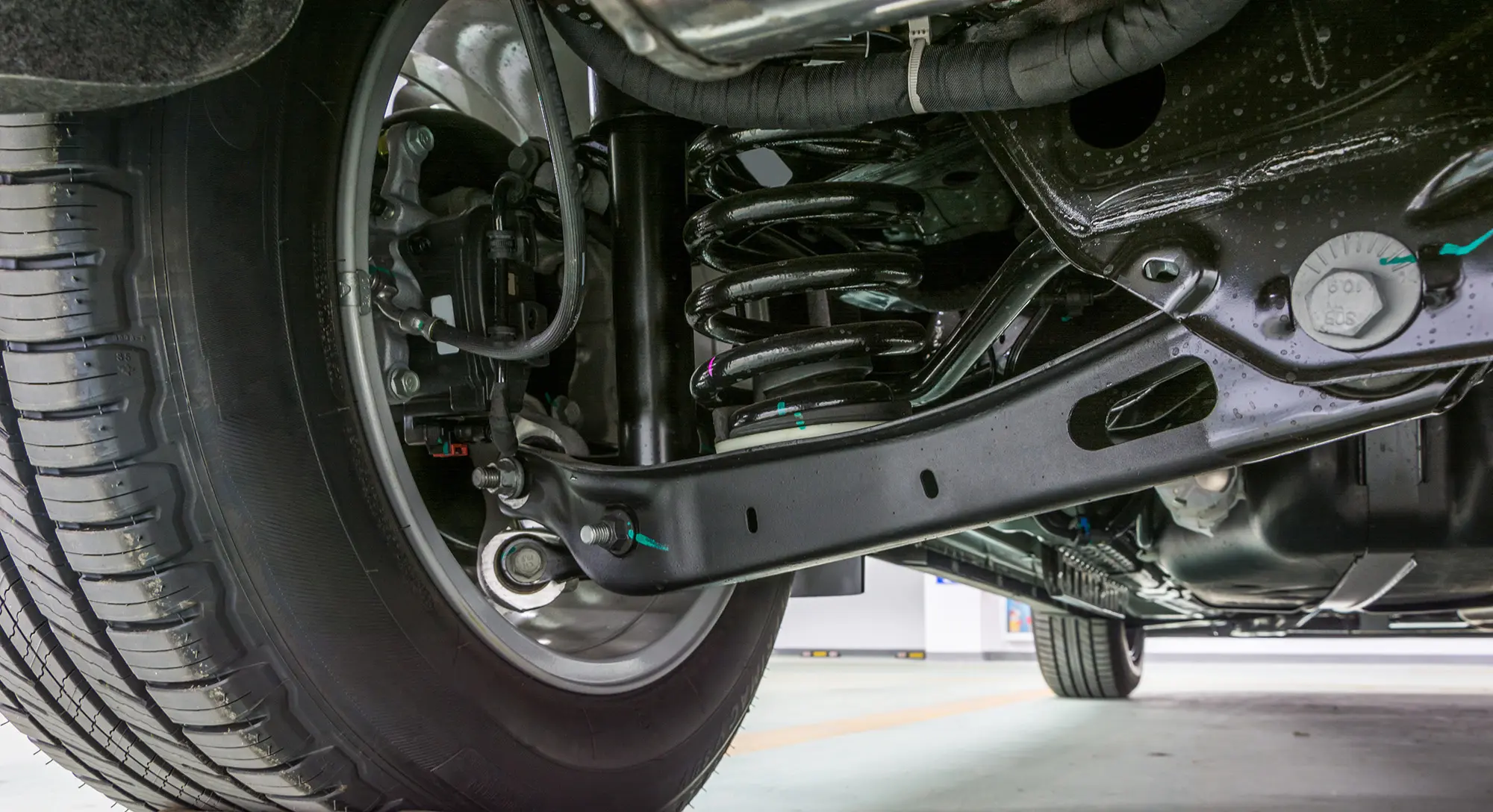
Struts and Shocks - What to Know
Your vehicle’s suspension system helps keep your tires on the road. There are safety ramifications to consider when driving with old shocks or struts which cause a rough ride. It's not always simple to tell when shocks or struts need to be replaced either, as you get used to how your vehicle handles. Your shocks and struts can become worn or damaged and must be regularly checked to ensure your safety and comfort on the road. If your vehicle is not maintaining good contact with the road, your steering, handling, and even braking can all be negatively affected. Knowing what to look out for and what to do next is essential to maintaining your vehicle’s optimum performance.
What do struts and shocks do?
Shocks and struts are two separate components with different purposes. Both components aim to improve the ride and handling of your vehicle, but they do so in different ways. While struts are a significant structural element of the chassis and suspension system, shocks are discrete parts of the suspension system. The shock absorber's primary function is to regulate spring and suspension motion. Struts, on the other hand, support the spring, retain the tire in alignment, and provide structural support for the vehicle suspension. They also support a large portion of the side loads on the vehicle’s suspension. Struts consequently impact ride quality and handling as well as vehicle control, steering, braking, wheel alignment, and wear on other suspension components.
Signs of worn shocks and struts
There are many indicators that your shocks or struts need repair. These problems can be minor at first and grow over time. These issues include:
- Steering problems
- Bumpy or even ride
- Braking problems
- Unusual tire wear
- Fluid leaks
- Bouncy tires
- Overall instability
These issues could indicate that you need suspension repair. Depending on the severity of these issues, you may need to seek immediate professional assistance from our automotive repair shop, as this can be a safety issue.
What happens if you continue to drive on damaged struts and shocks?
If you continue to drive on damaged or faulty struts or shocks, you could endanger yourself. Maintaining traction is crucial, especially when navigating obstacles or keeping up with highway traffic. Your suspension components will deteriorate over time. It might even deteriorate without your knowledge. Additionally, it may result in your tires and other components wearing down more quickly. This can result in your vehicle’s longevity being diminished as well. To avoid this, come to our automotive repair shop, where our expert technicians can provide you with quality shock and strut repair!
03/15/2023Read more
Why Correct Alignment Is Important for Tires
Our automotive repair shop advises checking your vehicle’s alignment regularly every six months. You may also need to check it immediately if you've collided with something that could have damaged it. What does the alignment mean exactly? It is a crucial suspension-tuning device that affects your vehicle’s tires’ performance. Your vehicle’s alignment refers to a sophisticated system of calculated suspension angle measurements and varied suspension component adjustments. Fuel economy, comfort, and tire wear are all impacted by proper alignment. Driving around on misaligned wheels can cause issues with how your vehicle handles and drives down the road.
What exactly is wheel alignment?
A wheel alignment is a process of restoring the angles of your vehicle's suspension and steering to their original measurements. This optimizes drivability and fuel efficiency by placing the front and rear wheels in line with the vehicle's centerline. A specialized tool that measures the wheel angles in relation to your vehicle's original specifications is used to perform an alignment. An expert technician then makes any necessary changes. All four wheels on your vehicle should be facing in the same direction, lined up from front to back, and contacting the road at the correct angle when it is in alignment.
What does it affect?
If your vehicle is out of alignment, it will suffer in several ways. First, handling capacity plummets sharply. Your vehicle's ability to turn in either direction is severely limited when its wheels are not entirely straight. Additionally, your vehicle will likely pull steadily in one direction and have trouble driving straight. The lifespan of your tires may be impacted as a result. Your tires will wear unevenly if your wheels are out of alignment, so you'll need to replace them more frequently and incur significant costs for tire replacement. Bad wheel alignment often causes flat spots or even tire blowouts due to increased friction on the misaligned wheels. So, to recap, misaligned wheels cause:
- Uneven tire wear
- Reduced handling capabilities
- Pulling steering wheel
Common misalignment indicators to look out for
Tire alignment is critical for your tires to increase their lifespan and continue to operate your vehicle at their optimum capacity. If you notice any uneven wear on your tires, you may need to have an alignment done. Additionally, if your steering wheel is off-center, this could be another indication that you have an issue. If the steering wheel in your vehicle shakes or vibrates or pulls to the side, this also can indicate the need for repair. If you notice any of these issues, contact our automotive repair shop. Our expert technicians can provide quality diagnostics and repairs. Don’t hesitate to reach out by calling or scheduling an appointment on our website.
04/01/2023Read more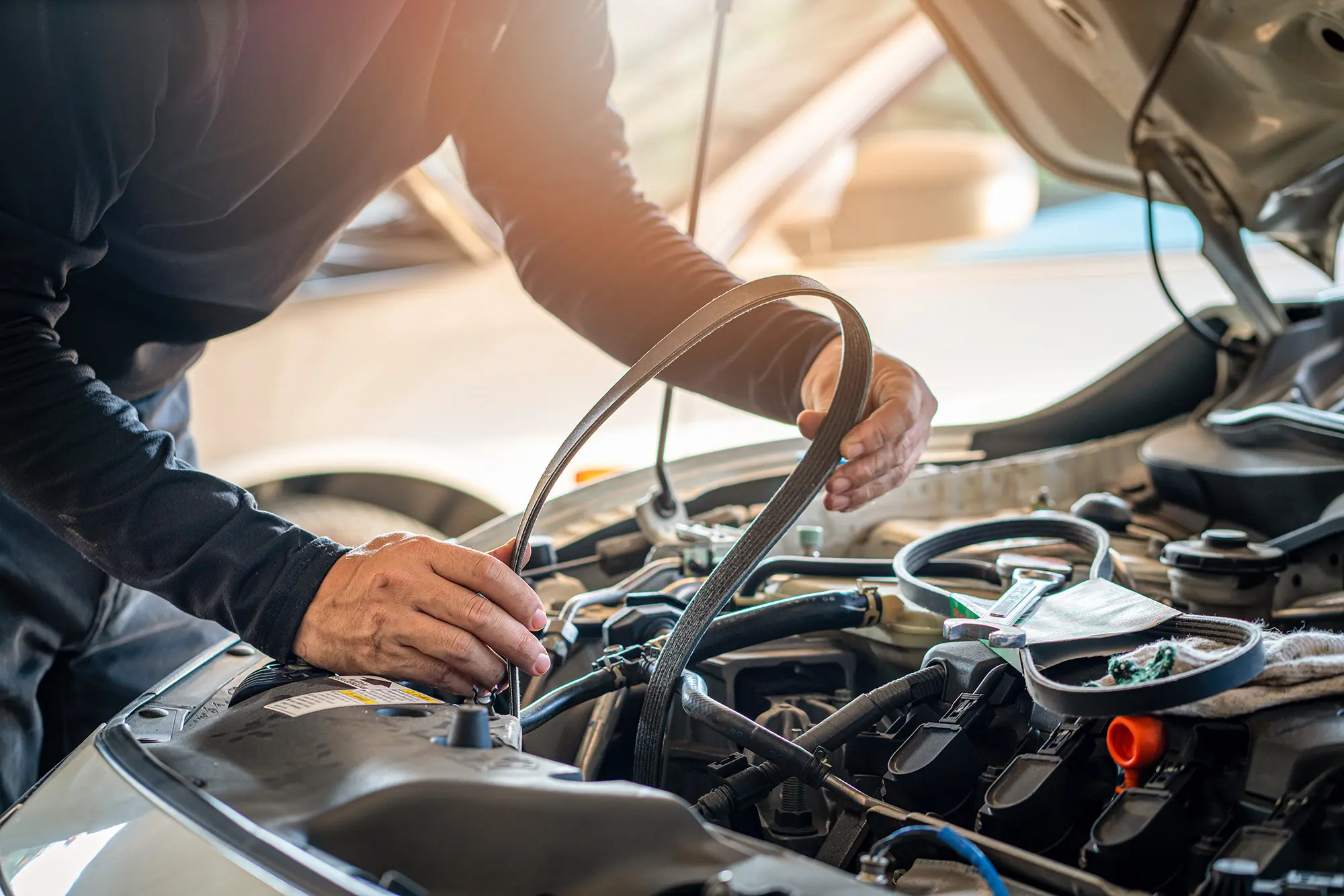
How to Tell Your Timing Belt Needs Repair
Even though you might not pay much attention to it, your vehicle’s timing belt is crucial to how it works mechanically. An internal engine part called the timing belt ensures that each cylinder fires at the right moment by synchronizing the crankshaft and camshaft rotations. You'll find your vehicle's timing belt near the front of the engine, under a timing cover. Because it's made of high-quality rubber, it will eventually need to be changed. Rubber doesn’t last forever. Without a properly functioning belt, your vehicle isn’t going anywhere.
What is a timing belt?
A vehicle’s timing belt is a toothed belt that coordinates the timing of the combustion process by connecting the engine's crankshaft to its camshafts. An engine won't run if the timing belt is broken. Industrial-strength rubber with nylon-reinforced cables inside often makes up timing belts. A timing belt is put through a lot of stress and strain. Despite being long-lasting, it will eventually wear down naturally and must be replaced before it slips or breaks. The engine won't start if the timing belt snaps, and the cylinder head or other adjacent parts may also sustain damage in severe circumstances.
Symptoms of a faulty timing belt
Although you might never take a look at your timing belt, it is vital to maintain your vehicle’s performance. You will be better prepared for a timing belt replacement if you recognize the symptoms. As your timing belt ages, these symptoms start to show up. It might split, succumb to dry rot, elongate, or even become out of alignment. Keeping your eyes and ears open is critical because most of the following issues will necessitate a replacement.
- Visible exhaust
- Engine misfiring
- Difficulty starting
- Vibrating or shaking engine
- “Slipping” while accelerating
- High-pitched noises when starting
Preventative measures
The best way to tell if your vehicle needs a new timing belt is to look at its mileage. There are warning indications for a bad timing belt that you shouldn't ignore, yet the majority of us don't even consider it until there is an issue. Most of the time, symptoms become apparent when trying to start your vehicle or if it starts performing strangely while running. Prevention is the best course of action because manufacturers specify a specific mileage for timing belt replacement. Have your vehicle evaluated if you think it needs a new timing belt. Generally, getting this belt checked every 30,000 miles is recommended.
04/15/2023Read more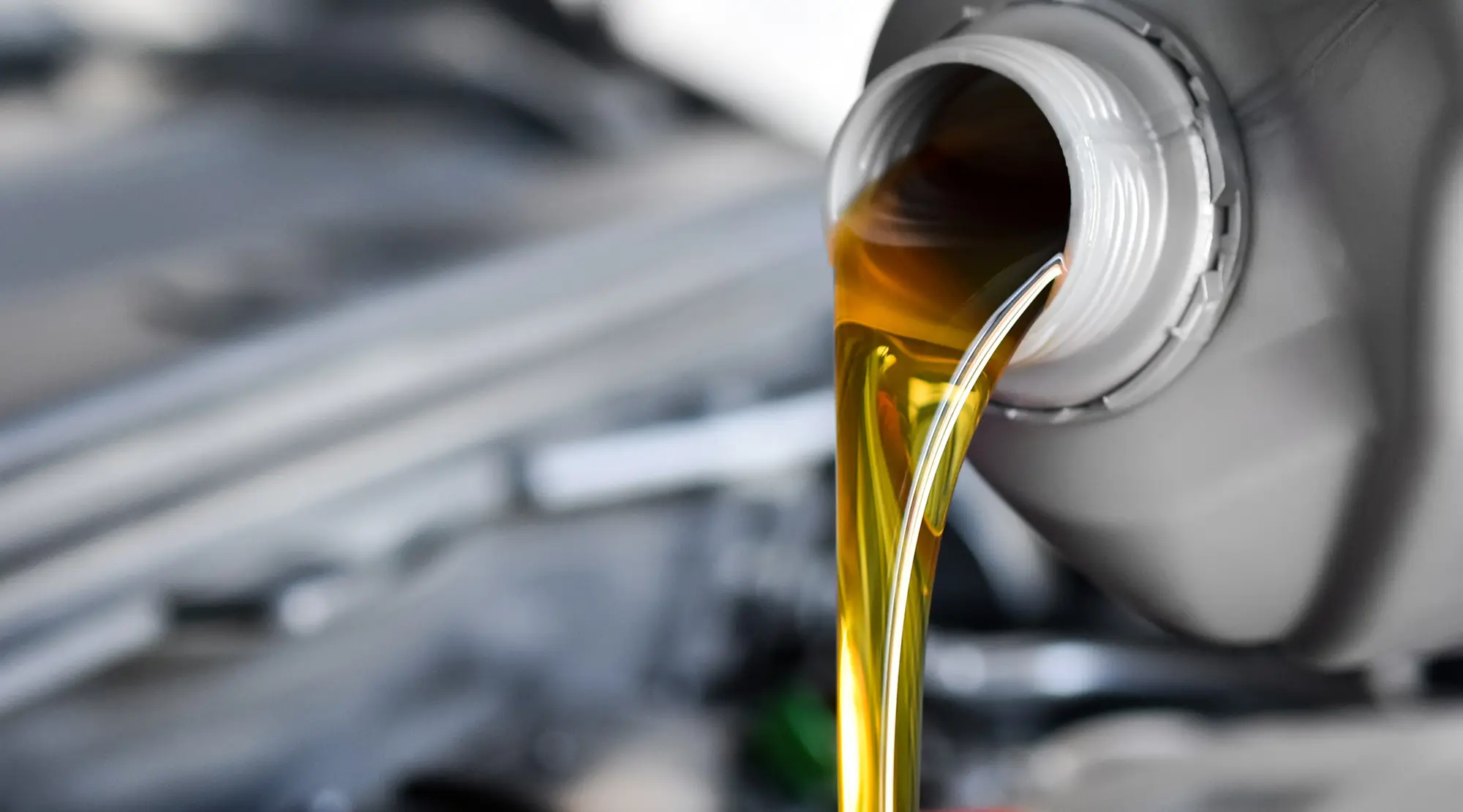
Fluid Maintenance: The Lifeline of Your Vehicle
Your vehicle is a complex assembly of moving parts, and behind the scenes, a network of fluids plays a critical role in keeping everything running smoothly. From the engine to the transmission and beyond, these fluids are the unsung heroes of your vehicle's performance and longevity.
Engine Oil: The Heartbeat of Your Vehicle
Engine oil is the lifeblood of your vehicle, ensuring that all moving parts within the engine stay lubricated. Regular oil checks and changes are essential in preventing friction and wear, maintaining optimal engine temperature, and maximizing fuel efficiency. Over time, engine oil can become contaminated, losing its effectiveness. Routine maintenance, including oil changes, is vital for the longevity and efficiency of your vehicle.
Transmission Fluid: Seamless Gear Changes
The transmission fluid in your vehicle facilitates smooth gear changes, ensuring that power is transmitted efficiently from the engine to the wheels. Over time, transmission fluid can degrade, leading to sluggish gear shifts and potential damage to the transmission system. Regular checks and fluid changes can prevent these issues, keeping your vehicle's transmission in top condition.
Brake Fluid: Stopping Safely
Brake fluid is a crucial component of your vehicle's braking system. It transfers the force from your foot on the brake pedal to the brake components. Over time, brake fluid can absorb moisture, compromising its effectiveness. Regular checks and changes are essential to maintain proper brake function, ensuring your vehicle stops safely when you need it to.
Coolant: Regulating Engine Temperature
Coolant, also known as antifreeze, plays a vital role in regulating your vehicle's engine temperature. It prevents the engine from overheating in hot conditions and protects against freezing in cold temperatures. Regular checks and changes of the coolant help prevent engine damage, ensuring your vehicle operates at the right temperature under various conditions.
Power Steering Fluid: Effortless Maneuvers
Power steering fluid assists you in making those smooth, effortless turns. Regular checks ensure that your power steering system functions optimally, preventing stiffness or jerky movements. A well-maintained power steering system contributes to a comfortable and safe driving experience.
Regular fluid maintenance is a simple yet effective way to keep your vehicle running smoothly. By paying attention to the fluids that keep your vehicle's systems operating, you contribute to its overall health and longevity.
03/01/2024Read more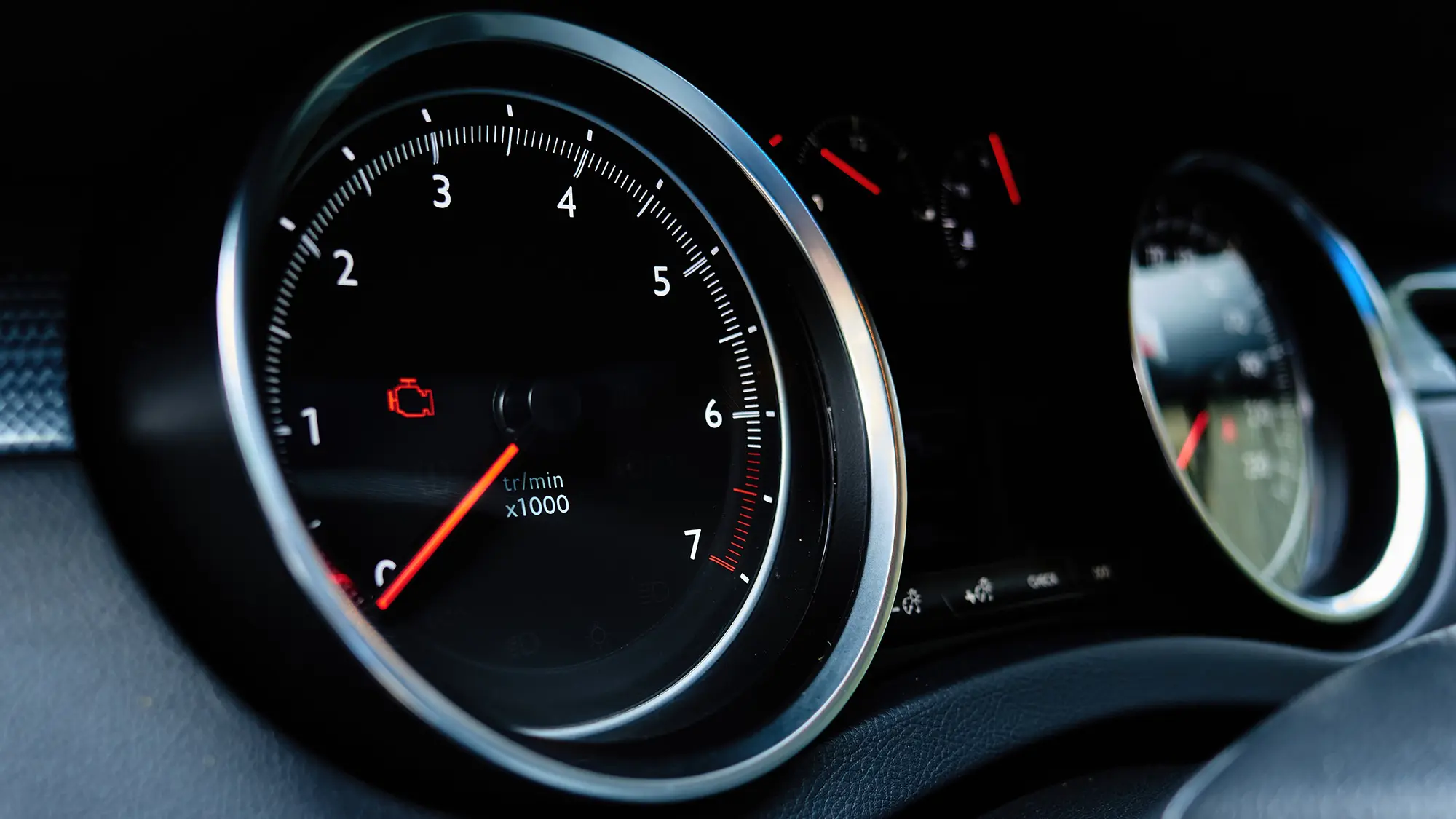
Decoding Dashboard Signals: A Roadmap to Understanding Your Vehicle's Warnings
Dashboard signals are your vehicle's silent language, communicating issues, warnings, and maintenance needs. Deciphering these signals can be the key to addressing problems early, preventing potential breakdowns, and ensuring the longevity of your vehicle.
The Check Engine Light: Your Vehicle's Communicator
The infamous check engine light is perhaps the most enigmatic signal on your dashboard. Contrary to its ominous appearance, it often indicates issues that, if addressed promptly, can be minor. The check engine light can signify problems ranging from a loose gas cap to more complex issues with the engine or emissions system. While a steady light might indicate a non-emergency issue, a flashing light signals a more urgent problem requiring immediate attention.
The Oil Pressure Warning: Safeguarding Your Engine
The oil pressure warning light alerts you to potential issues with your vehicle's lubrication system. A drop in oil pressure can lead to engine damage if not addressed. If this light comes on, it's crucial to pull over, turn off the engine, and check the oil level. Low oil levels or a malfunctioning oil pump could be the culprits. Neglecting this warning can result in costly engine repairs.
The Battery Light: Charging System Alerts
Your vehicle's battery light indicates a problem with the charging system. It might signal a failing alternator, a loose or damaged belt, or issues with the battery itself. If this light comes on while driving, it's advisable to turn off non-essential electrical systems and head to a repair shop promptly. Ignoring it could lead to a dead battery and an unexpected breakdown.
Brake System Warning: Putting Safety First
The brake system warning light alerts you to issues with your vehicle's braking system. It could indicate low brake fluid, worn brake pads, or a more serious problem with the anti-lock braking system (ABS). Addressing brake issues promptly is paramount for your safety and the safety of others on the road. Ignoring this warning could compromise your vehicle's braking performance.
Understanding these dashboard signals empowers you to make informed decisions about your vehicle's maintenance. While some warnings might be minor, others require immediate attention to prevent further damage. Regular vehicle check-ups and prompt response to dashboard signals contribute to the overall health and longevity of your vehicle.
04/15/2024Read moreUnraveling the Mystery Behind Your Vehicle's Check Engine Light
Every driver dreads the sudden illumination of the check engine light on their dashboard. It's like the car's way of whispering, "Houston, we have a problem." But what does it really mean? Let's dive into the complexities of engine diagnostics and the notorious check engine light.
Decoding the Check Engine Light
The check engine light, often represented by a small engine icon, is your vehicle's way of saying, "Hey, something's not right." Unfortunately, it doesn't provide specifics. When it lights up, your car's onboard computer has detected a deviation from the normal operation. It's a signal to conduct a diagnostic scan to pinpoint the exact issue.
The reasons behind the check engine light are as varied as the hues of a sunset. From a loose gas cap to a more intricate engine or emission control system problem, the light serves as an early warning system. Ignoring it might not lead to immediate breakdown, but it could result in decreased fuel efficiency and potential damage to essential components.
The Importance of Timely Diagnostics
When faced with the check engine light, prompt action is your best course. Ignoring it might transform a minor hiccup into a major repair. The first step is to undergo a diagnostic scan, a crucial process performed by a skilled technician. Using specialized tools, they interface with your car's computer system, retrieving error codes that guide them to the root cause.
This immediate response is not just about appeasing an illuminated icon on your dashboard; it's about preventing potential complications and addressing the issue at its source. The diagnostic scan serves as a detective, uncovering the hidden story behind the check engine light and allowing for targeted, effective repairs.
Navigating Check Engine Light Repairs
Once the issue is identified, the repair journey begins. It could be a simple fix like tightening a loose gas cap or a more intricate task like replacing a faulty sensor. The complexity depends on the diagnostic results. A reliable auto shop, armed with expertise and diagnostic tools, ensures a swift and accurate diagnosis.
In essence, the check engine light is your vehicle's early warning system. It signals potential issues that, when addressed promptly, can save you from more significant problems down the road. Understanding its language, decoding the signals, and taking timely action are the keys to keeping your vehicle running smoothly.
05/01/2024Read moreA Key Component of Vehicle Maintenance AKA Starter Repair
The starter is an essential component of a vehicle's ignition system, responsible for initiating the engine's operation. Over time, starters can experience wear and tear, leading to issues that affect the vehicle's ability to start reliably. Understanding the signs of starter problems and knowing when to seek repair can help prevent unexpected breakdowns and ensure the smooth operation of your vehicle.
Signs of Starter Issues
Recognizing the symptoms of starter problems is crucial for prompt diagnosis and repair. One common indicator is a clicking noise when attempting to start the vehicle, which typically suggests a weak or failing starter solenoid. Additionally, if the engine cranks slowly or struggles to turn over, it may indicate a faulty starter motor or insufficient electrical power reaching the starter. Ignoring these warning signs can lead to complete starter failure, leaving the vehicle stranded and requiring more extensive repairs.
Diagnostic Process
When experiencing starter-related issues, it's essential to conduct a thorough diagnostic process to pinpoint the exact cause of the problem. A trained technician will begin by inspecting the battery and electrical connections to ensure they are in good condition and providing sufficient power to the starter. Next, they may perform voltage and continuity tests to assess the functionality of the starter motor and solenoid. If necessary, the starter assembly may be removed for further testing or replacement.
Repair and Replacement
Depending on the severity of the starter problem, repair or replacement may be necessary. In some cases, a faulty component within the starter assembly, such as worn brushes or a damaged solenoid, can be replaced to restore functionality. However, if the starter motor itself is damaged or worn beyond repair, a complete starter replacement may be required. A reputable auto repair shop will use quality replacement parts and follow manufacturer specifications to ensure the longevity and reliability of the repaired or replaced starter.
Importance of Timely Maintenance
Regular maintenance is key to preventing starter issues and ensuring the overall health of your vehicle. Simple tasks such as keeping the battery terminals clean and tight, inspecting the wiring for signs of wear or corrosion, and testing the battery's voltage can help identify potential problems before they escalate. Additionally, following the manufacturer's recommended maintenance schedule for your vehicle can help address issues proactively and extend the lifespan of critical components like the starter. By staying proactive with maintenance, you can minimize the risk of unexpected breakdowns and costly repairs, keeping your vehicle running smoothly for years to come.
06/15/2024Read more
Signs of a Failing Steering System - Helpful Tips
The steering system is a vital part of any vehicle. It allows the driver to control the direction of the vehicle, and just like all mechanical components, the steering system is prone to failure. Failure can be the result of normal wear and tear and malfunction and can lead to an unsafe ride for the driver and their passengers. In this blog, we will go over the most common causes of steering system failure, the warning signs to look out for, and the preventative measures to avoid costly repairs for the long haul.
What causes the steering system to fail?
There can be a number of reasons why the steering system in a vehicle begins to fail, all of which can jeopardize the safety of the driver and other passengers if the steering column terminates during operation. The steering wheel in a vehicle is in place to assist the vehicle operator with controlling the direction in which they wish for the vehicle to go. With the accelerating pedal, steering wheel, and tires, the driver is granted the ability to turn left or right, drive forward, or reverse the vehicle. A steering wheel system as a whole is made up of the steering wheel, steering shaft and column, tie rods, rack, idler arms, pitman arm, and a drag or center link component. These parts contribute greatly to a vehicle's ability to be driven in the direction that the operator desires.
The steering system is susceptible to failure, just like every other component in a vehicle. Failure within the steering column typically correlates to normal wear and tear, such as corrosion, loose or damaged connections, or an electrical issue. Corrosion is caused by exposure to moisture, salt, or many other environmental influences. When corrosion occurs within the steering column, the steering parts can become weak or brittle, with the potential to fail over time. Since the steering system is connected to many other components in the vehicle, when wiring or parts become loose or damaged, the steering column is most susceptible to failure. Lastly, electrical issues have the potential to cause a lot of faults within the vehicle. Still, the steering system's wires and sensors are also open to termination if there are failures within these components as well.
What are the signs?
Some of the signs that the steering wheel system is failing include:
- Difficulty turning the wheel.
- Squeaking and grinding noises
- Steering wheel vibrations
- Steering wheel tilt is not functioning.
- Steering wheel feels loose or wobbly.
- Steering wheel is off-center.
All these signals are the vehicle's way of communicating that the steering wheel and its components are on their way to complete failure. It is highly recommended by auto repair professionals to have the steering system inspected and repaired as soon as any of these signals occur. Staying on top of maintenance prevents irreversible damage and eliminates the opportunity of compromising the safety of you and your passengers.
How to prevent it?
The best way to prevent steering system failure is through regular maintenance practices to check for leaks and to ensure the correct fluids are being used as well. It is also recommended by auto repair specialists to drive safely and avoid impacts from hitting curbs, barriers, potholes, or any other surfaces that can cause damage to the steering system. Another tip to prevent steering system issues is to avoid overloading the vehicle by putting extra stress on the vehicle and its parts. Lastly, as soon as steering system signals arrive, have a professional make the repair right away. Going too long without acknowledging the signs of fault in your steering system can cause more severe damage down the line.
Helpful Tips:
Some of the best advice to maintain vehicle performance is through the practice of maintenance. Maintenance is pushed by auto repair shops so intensely because it brings to light whatever issues that may start as minor but become major if not taken care of promptly. Our auto repair technicians have the technology to properly diagnose the vehicle to find and get rid of any complexities that may be going on within it. Visit our trusted auto repair shop whenever you suspect any issues with the steering system in your vehicle.
06/01/2023Read more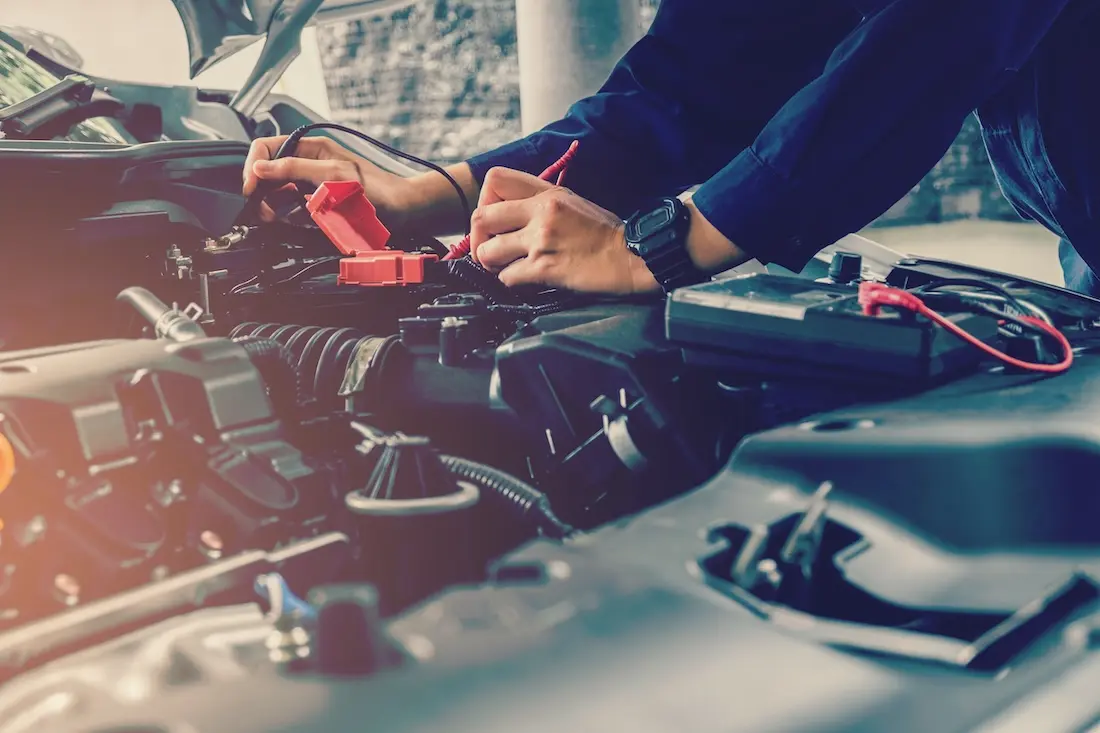
Auto Electrical Diagnostics & Repair
When it comes to the electrical systems in your vehicle, even the smallest issue can have significant consequences. From a flickering dashboard light to a complete failure to start, electrical problems can leave you stranded and frustrated. That's where auto electrical diagnostics and repair come in. Understanding the complexities of vehicle electrical systems and knowing how to diagnose and repair issues is essential for keeping your vehicle running smoothly.
Understanding Vehicle Electrical Systems
Modern vehicles are equipped with a wide array of electrical components, ranging from the battery and alternator to sensors, switches, and computer modules. These components work together to power everything from the lights and radio to critical safety systems like airbags and ABS brakes. When any part of this intricate system malfunctions, it can lead to a variety of problems.
The Importance of Professional Diagnosis
Diagnosing electrical issues in a vehicle can be challenging, as symptoms often overlap and point to multiple potential causes. That's why professional auto electrical diagnostics are crucial. Experienced technicians have the knowledge, tools, and diagnostic equipment necessary to pinpoint the root cause of electrical problems quickly and accurately. This allows for efficient repairs that address the underlying issue, rather than just treating the symptoms.
Comprehensive Electrical Repair Services
Once the problem has been identified, skilled technicians can perform the necessary repairs to get your vehicle back on the road. Whether it's replacing a faulty component, repairing damaged wiring, or reprogramming a control module, professional auto electrical repair services cover a wide range of issues. By addressing electrical problems promptly and effectively, you can prevent further damage and ensure the continued reliability of your vehicle.
Common Electrical Issues
Electrical problems can manifest in various ways, often causing frustration and inconvenience for vehicle owners. Some common signs of electrical issues include dim or flickering lights, difficulty starting the engine, intermittent power loss, and malfunctioning accessories such as power windows or door locks. While these symptoms may seem minor at first, ignoring them can lead to more serious problems down the line. That's why it's essential to address any electrical issues promptly and seek professional diagnosis and repair when needed. By addressing electrical problems early, you can prevent more extensive damage and ensure the continued reliability of your vehicle.
07/01/2024Read more
Troubleshooting Vehicle Ignition Issues: Causes & Solutions
Few things are more frustrating than turning the key in your vehicle's ignition and hearing nothing but silence. Ignition failures can be complex, with a multitude of potential causes. Understanding these causes, along with the importance of professional assistance, is crucial for maintaining your vehicle's reliability and your peace of mind on the road.
Exploring the Common Culprits of Ignition Failures
- Dead Battery: The most common reason for ignition failure is often a dead or depleted battery. Over time, batteries naturally lose their charge, but factors such as extreme temperatures, age, and electrical drain can accelerate this process. Jump-starting the vehicle or replacing the battery may be necessary to restore power and allow the engine to start.
- Faulty Starter Motor: When you turn the key and hear a clicking sound or grinding noise, it could indicate a problem with the starter motor. The starter is responsible for initiating the engine's cranking process, and a malfunctioning starter can prevent the engine from turning over. In such cases, replacement of the starter motor is typically required to resolve the issue.
- Ignition Switch Issues: The ignition switch serves as the gateway between the key and the vehicle's electrical system. If the ignition switch fails or becomes worn out, it can disrupt the electrical connection needed to start the engine. Symptoms of ignition switch problems include difficulty turning the key or intermittent starting issues. Repair or replacement of the ignition switch may be necessary to restore proper functionality.
- Fuel Delivery Problems: A properly functioning fuel system is essential for ignition to occur. Issues such as clogged fuel filters, a faulty fuel pump, or air in the fuel lines can disrupt fuel delivery to the engine, preventing ignition. Inspection of the fuel system and replacement of faulty components may be required to resolve the issue.
- Broken Ignition Coil: The ignition coil is responsible for generating the high voltage necessary to ignite the fuel-air mixture in the engine's cylinders. A damaged or faulty ignition coil can lead to weak or no spark, hindering ignition. Replacement of the faulty ignition coil is necessary to restore proper engine operation.
- Ignition System Failure: Components such as spark plugs, ignition wires, and distributor caps are integral parts of the ignition system. If any of these components become damaged or worn out, they can impair ignition and lead to starting problems. Inspection and replacement of damaged ignition components are necessary to ensure reliable ignition.
Understanding the Role of Maintenance
Regular maintenance is crucial for preventing ignition failures and ensuring the overall reliability of your vehicle. Routine inspections of the battery, starter, ignition system, and fuel system can help identify potential issues before they escalate into major problems. Ignoring maintenance increases the likelihood of ignition failure and can result in costly repairs down the line.
Why Professional Assistance Matters
While some DIY enthusiasts may attempt to diagnose and repair ignition issues themselves, seeking professional assistance is often the safest and most effective option. Professional automotive technicians have the knowledge, experience, and specialized tools necessary to accurately diagnose ignition problems and perform the appropriate repairs or part replacements. Attempting to troubleshoot ignition issues without the proper expertise can lead to further damage and potentially compromise your safety on the road.
The Diagnostic Process at a Professional Automotive Facility
When you bring your vehicle to a professional automotive facility for ignition-related issues, trained technicians will follow a systematic diagnostic process to identify the root cause of the problem. This process typically includes:
- Visual Inspection: The technician will visually inspect the ignition components for signs of wear, damage, or corrosion.
- Diagnostic Scan: Utilizing diagnostic equipment, the technician will scan the vehicle's computer system for error codes indicating ignition-related issues.
- Functional Testing: Various tests, such as voltage checks and circuit testing, will be performed to assess the functionality of ignition components.
- Component Replacement: Based on the diagnostic findings, the technician will replace any faulty ignition components, ensuring optimal performance.
By entrusting your vehicle to professional technicians, you can have confidence that your ignition issues will be resolved correctly the first time, minimizing downtime and ensuring your safety on the road.
Conclusion
Understanding the myriad causes of ignition failures in vehicles underscores the importance of regular maintenance and seeking professional assistance when issues arise. By addressing ignition problems promptly and relying on the expertise of qualified technicians, you can ensure the continued reliability and safety of your vehicle. Don't let ignition failures leave you stranded—trust our auto repair shop for reliable diagnostics and repairs, and experience peace of mind knowing your vehicle is in expert hands. Schedule an appointment today and take the first step toward resolving any ignition-related issues and maintaining your vehicle's peak performance.
07/15/2024Read more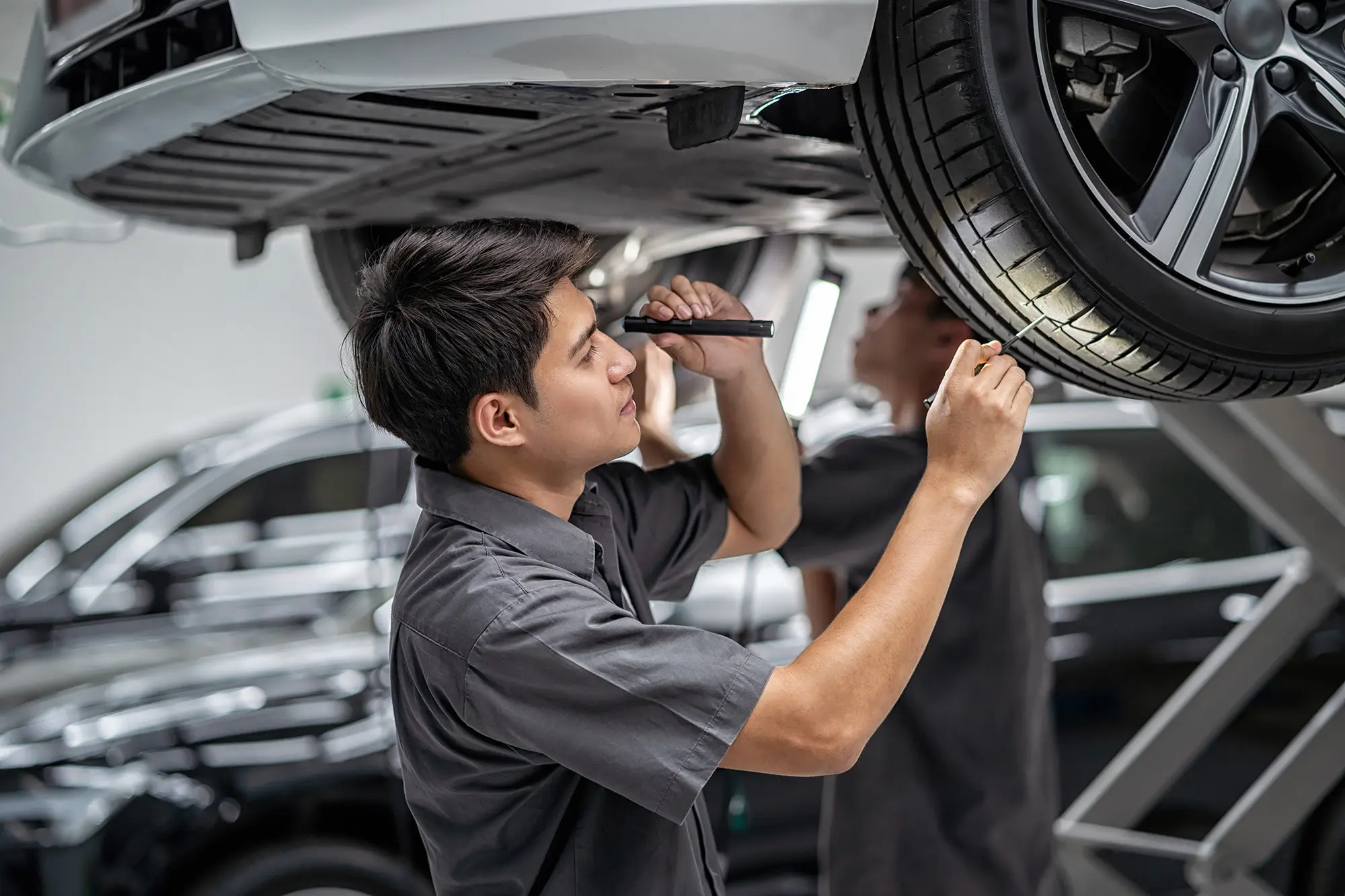
The Importance of Tire Maintenance for Vehicle Longevity
Your vehicle's tires are the only point of contact between you and the road. That's why it's crucial to prioritize tire maintenance to ensure not only your safety but also the overall performance and longevity of your vehicle. In this blog, we'll dive into the various aspects of tire maintenance, including tire repair, tire rotations, wheel alignments, wheel balancing, and when it's time to replace your tires. By understanding the importance of each service and when to perform them, you can keep your vehicle running smoothly and extend its lifespan.
The Different Aspects of Tire Maintenance
- Tire Repair: Let's start with the basics. Tire repair is often the first line of defense when you encounter a minor puncture or damage to your tire. It's essential to address these issues promptly to prevent further damage. A damaged tire can lead to decreased fuel efficiency, reduced traction, and even a blowout if left unattended. If you notice a puncture or damage to your tire, consult your local auto repair shop immediately for assessment and repair.
- Tire Rotations: Tire rotations involve moving tires from one position on your vehicle to another. This practice helps ensure even tire wear. Front tires typically wear faster than rear ones due to the extra weight of the engine. Rotating your tires regularly can extend their lifespan, improve fuel efficiency, and provide a smoother ride. Experts recommend rotating your tires every 6,000 to 8,000 miles but check your vehicle's manual for specific recommendations.
- Wheel Alignments: Proper wheel alignment is essential for maintaining control and stability while driving. Misaligned wheels can lead to uneven tire wear, causing your tires to wear out prematurely and reducing fuel efficiency. Signs of misalignment include steering wheel vibration, a vehicle pulling to one side, or uneven tire wear patterns. If you notice any of these signs, schedule a wheel alignment at your local automotive repair shop to ensure your tires are pointing in the right direction.
- Wheel Balancing: Wheel balancing is crucial for a smooth and vibration-free ride. Over time, your vehicle's wheels can become unbalanced due to normal wear and tear. Unbalanced wheels can lead to uneven tire wear and decreased comfort while driving. If you experience vibrations in your steering wheel or seats, it's a clear sign that your wheels may need balancing. Regular wheel balancing, typically done during tire rotations, helps extend tire life and ensures a comfortable ride.
- Replacing Tires When Necessary: Eventually, all tires wear out and need replacement. Tread depth is a key indicator of when it's time to replace your tires. A common method to check tread depth is by using the "penny test." Insert a penny into the tire's tread with Lincoln's head facing down. If you can see the top of Lincoln's head, it's time to replace the tire. Additionally, if you notice visible cracks, bulges, or other signs of tire damage, it's crucial to replace the affected tires promptly to maintain your vehicle's safety and performance.
The Importance of Listening to Your Vehicle:
Your vehicle often communicates when your tires need attention. Keep an eye out for warning signs such as:
- Uneven tire wear: If one tire is wearing out significantly faster than the others, it may indicate a problem with alignment or suspension.
- Vibrations: Steering wheel vibrations or a vibrating dashboard can signal issues with wheel balance or alignment.
- Pulling to one side: If your vehicle pulls to the left or right when driving on a straight road, it may be a sign of wheel misalignment.
- Reduced fuel efficiency: A sudden drop in fuel efficiency could be due to underinflated tires or other tire-related issues.
By paying attention to these signals and addressing them promptly, you can prevent costly repairs and ensure your vehicle operates at its best.
Conclusion
Tire maintenance is a vital aspect of vehicle ownership that should not be overlooked. Regular tire repair, rotations, wheel alignments, and balancing can extend the life of your tires, improve fuel efficiency, and provide a safer, smoother ride. Additionally, knowing when to replace your tires based on tread depth and visual inspections is essential for your safety on the road. Listening to your vehicle's signals and staying on top of tire maintenance will not only save you money in the long run but also enhance your overall driving experience. So, make that appointment with your local auto repair shop today and give your tires the care they deserve.
01/01/2024Read more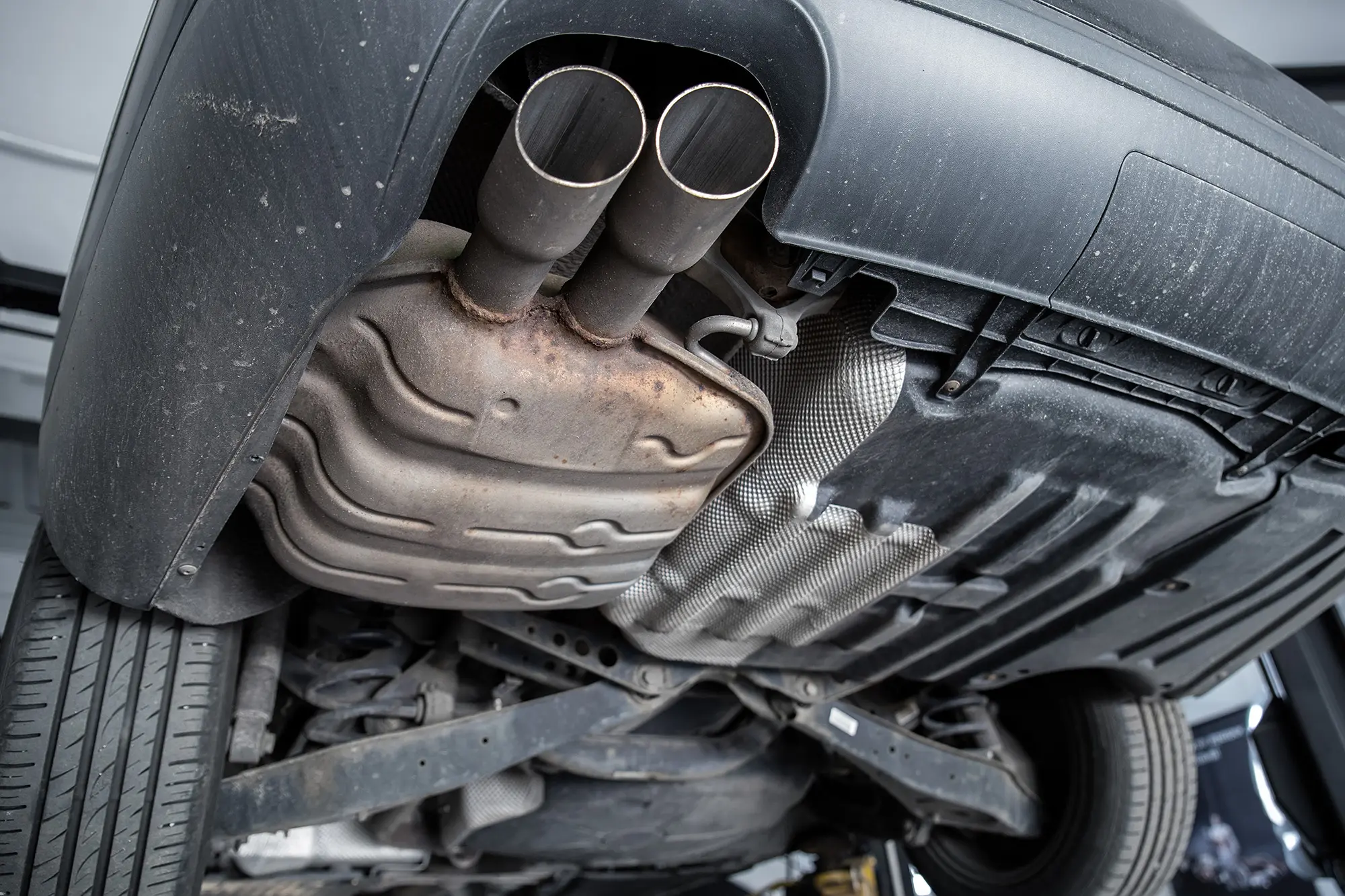
Understanding Muffler Repair & Service
Mufflers play a crucial role in the operation of a vehicle's exhaust system, reducing noise and directing exhaust gases away from the vehicle's occupants. Over time, mufflers can experience wear and damage due to factors such as corrosion, road debris, and normal wear and tear. When this happens, it's essential to address muffler issues promptly to ensure the continued performance and safety of your vehicle.
Signs of Muffler Problems
One of the most common signs of muffler problems is an increase in exhaust noise. A loud rumbling or roaring sound coming from the exhaust system could indicate a hole or leak in the muffler. In addition to noise, you may also notice a decrease in fuel efficiency or engine performance. This can occur if the muffler becomes clogged or restricted, causing back pressure to build up in the exhaust system. Other symptoms of muffler issues include visible rust or corrosion on the muffler itself, as well as the presence of soot or exhaust residue around the tailpipe.
Importance of Muffler Maintenance
Regular maintenance is key to preserving the integrity of your vehicle's muffler and exhaust system. This includes inspecting the muffler for signs of damage, such as rust or corrosion, and addressing any issues promptly. Routine maintenance can also help prevent more extensive damage to other components of the exhaust system, such as the catalytic converter and exhaust pipes. By keeping your muffler in good condition, you can ensure optimal engine performance, fuel efficiency, and vehicle safety.
Professional Muffler Repair Services
When it comes to muffler repair and service, it's essential to trust the job to a qualified automotive technician. A professional technician will have the knowledge, experience, and tools necessary to diagnose and repair muffler issues effectively. Whether your muffler needs a simple patch or a complete replacement, a skilled technician can provide the necessary repairs to restore your vehicle's exhaust system to optimal condition. Additionally, a reputable repair shop will stand behind their work, offering warranties on parts and labor for added peace of mind.
DIY vs. Professional Repair
While some vehicle owners may attempt to address muffler issues themselves, it's generally recommended to seek professional assistance. Muffler repair requires specialized tools and expertise, and attempting to perform repairs without the proper knowledge can result in further damage to the exhaust system. Professional technicians have the skills to accurately diagnose muffler problems and recommend the most effective solutions. Additionally, professional repair shops often have access to high-quality replacement parts and can ensure that repairs are performed to manufacturer specifications. Investing in professional muffler repair services can ultimately save you time, money, and frustration in the long run.
08/01/2024Read more
Ways to Prolong your Brakes
The braking system is an essential component of the vehicle by supplying the operator with control and granting safety. The vehicle and operator rely on the brakes to decelerate and stop completely while in traffic and when parking. The braking system is made of several different parts, and all are susceptible to failure due to normal wear and tear or misuse. Although wear and tear are normal on the braking system and other parts of the vehicle, there are ways to prolong the life of the brakes to ensure the driver gets the most out of their car, truck, or SUV. It is important to know and understand what the braking system is made of to take proper repair steps when brakes are declining in performance.
What are the main parts of a braking system?
The brakes on a vehicle are made up of several different parts, which include:
- Master Cylinder
- Brake Fluid
- Brake Lines and Hoses
- Brake Pads and Shoes
- Brake Rotors and Drum
Each of these parts supports the decelerating or stopping process. The master cylinder is the most important element because it starts the braking process. The master cylinder is activated when the operator pushes on the brake pedal. It sends the proper message to the rest of the parts for controlled deceleration and stops. The brake fluid is an essential part of the brake system too. In fact, the vehicle wouldn't function properly without it. The braking fluid translates the force from the brake pedal into pressure to the brakes to then stop the vehicle's motion. This fluid is sent to all four wheels and pushed from the master cylinder through the brake lines and hoses. The brake pads and shoes supply the vehicle's wheels with friction by rubbing up against each wheel to slow the vehicle down. The brake rotors and drum are metal discs that are attached to the wheel and rotate as the wheels do. The brake pads essentially squeeze the rotors and the wheel to supply support with the stop. The parts of the braking system can decline over time, and the vehicle will communicate in different ways when there is a failure somewhere.
Signs of Bad Brakes
The early indicators that the brakes are on the way to complete failure can be a combination of all or some of the listed signals. When these signals occur, the necessary repairs and replacements should be made immediately to ensure traveling is done safely.
- Squeaking or squealing noises
- Grinding noises
- Wobbling or excessive vibrating when braking
- Leaking brake fluid
- Burning smells from overheated brakes
Over time, parts like the rotors and pads must be replaced due to regular vehicle use. The brake parts are designed to last the vehicle with a system that can last a while but not forever. Here are some of the best ways to prolong the longevity of your brakes.
5 Ways to Prolong the Brakes on your Vehicle
Allow plenty of following distance
This step is the most common way to warrant early brake failure. An opposing driving style requires heavy use of brakes and braking too harshly.
Drive Slow
Driving too quickly may require abrupt stops due to traffic or hazards on the road. When a vehicle is being driven at fast speeds, and then the brakes are demanded to bring the vehicle to an immediate stop, this adds stress to the pads, rotors, and other brake components.
Avoid Tapping the Brakes Unnecessarily
When traffic is heavy, and the driving style of stop-and-go is inevitable, it is essential to avoid utilizing the brakes as much as possible. Leaving enough room between you and other vehicles and driving slowly allows the vehicle to roll slowly and stop when only necessary.
Flush the Brake Fluid
Just like the other fluid maintenance requirements, flushing the brake fluid and topping it off with some that are more fresh supplies the brake system with the support it needs to stop the best way possible and lubricate the parts needed for optimal performance.
Inspect Brakes Regularly
Brake inspections should be a part of the routine maintenance regimen for a vehicle. After fluids are topped off, and tires are rotated, the vehicle's brake pads, shoes, rotors, lines, and hoses should be examined to ensure that replacements aren't necessary and the driver is safe to return to the road.
These processes should be considered when operating a vehicle. Each one supplies the vehicle and operator with safety and reassurance that the brakes and their parts are being used properly and taken care of when occurrences like failures do occur. Replacements should be performed by a trusted auto repair facility to ensure parts are top of the line and performances are done properly.
03/01/2023Read more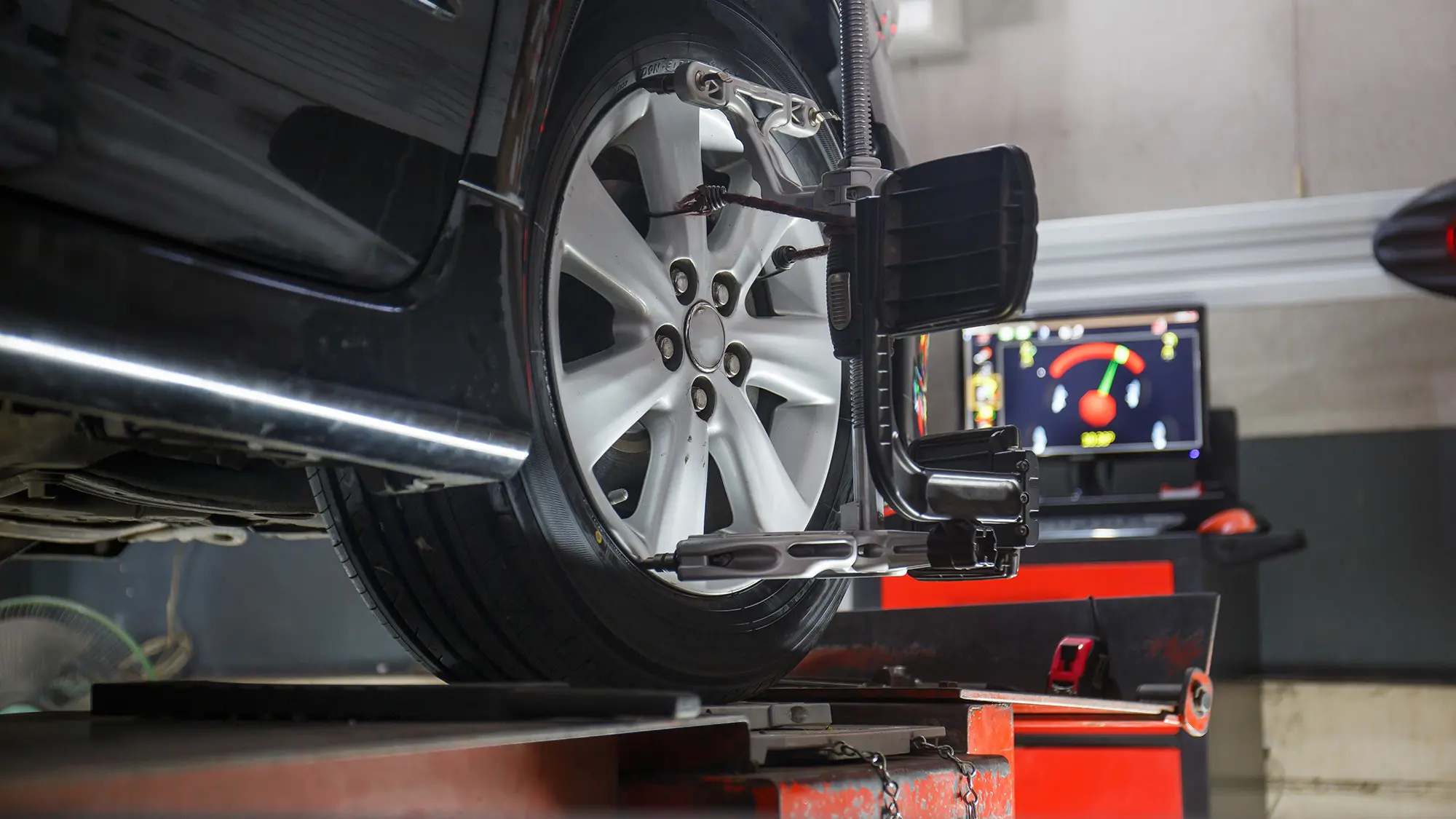
Alignment Precision: Maximizing Vehicle Longevity
In the intricate ballet of components that make up your vehicle, one often overlooked but critical element is the alignment. At our auto repair shop, we understand that proper alignment isn't just about straight paths; it's the secret to unlocking optimal performance, safety, and longevity for your beloved vehicle.
Understanding Alignment Service and The Benefits
- Alignment service is a crucial aspect of vehicle maintenance, impacting everything from tire wear to fuel efficiency and overall driving experience. Essentially, alignment refers to the proper adjustment of your vehicle's suspension components, ensuring that the wheels are perpendicular to the ground and parallel to each other. Think of it as a finely tuned orchestra where each instrument plays in harmony – that's what alignment achieves for your vehicle.
- The benefits of alignment service extend far beyond just maintaining a straight trajectory on the road. When your vehicle's wheels are correctly aligned, it results in even tire wear. This not only prolongs the life of your tires but also contributes to better fuel efficiency. Misaligned wheels can cause uneven friction, leading to increased resistance and, subsequently, higher fuel consumption. With fuel prices on the rise, this aspect alone makes alignment services a cost-effective investment in the long run.
How to Determine When an Alignment Service is Needed
One of the noticeable effects of poor alignment is the dreaded steering wheel vibration. If your vehicle tends to veer to one side or if the steering wheel isn't centered when driving straight, it's a sign that your alignment is off. Ignoring these symptoms can lead to more severe issues, affecting not only your driving comfort but also your safety on the road.
The Intricacies of Alignment Service
So, what does the alignment service entail? At our Auto Repair Shop, our skilled technicians use state-of-the-art equipment to measure and adjust the angles of your vehicle's wheels. The process involves adjusting the caster, camber, and toe angles to meet the manufacturer's specifications. Caster refers to the angle of the steering axis, camber is the inward or outward tilt of the wheels, and toe is the angle of the wheels in relation to each other. Precision in these adjustments is crucial to achieve the desired handling and performance.
The Importance of Routine Alignment
Routine alignment services are an integral part of proper vehicle maintenance. As you drive, your vehicle naturally experiences wear and tear, impacting its alignment over time. Factors such as potholes, bumps, and everyday road conditions contribute to misalignments. Additionally, even a minor collision or brushing against a curb can throw your wheels out of alignment. To keep your vehicle running smoothly and to prevent premature wear on tires and suspension components, regular alignment checks should be incorporated into your maintenance schedule.
Neglecting alignment can lead to a domino effect of issues. Uneven tire wear not only reduces tire life but can also compromise the safety and handling of your vehicle. A misaligned vehicle may pull to one side, making steering control challenging and potentially leading to accidents. Moreover, the stress on suspension components can result in more extensive and costly repairs down the line.
Conclusion
Alignment service is the unsung hero of vehicle maintenance, quietly ensuring that your daily commute remains smooth, efficient, and safe. At our Auto Repair Shop, we emphasize the importance of regular alignment checks as a preventive measure to save you from costly repairs and keep your vehicle performing at its best. Remember, the key to a long and healthy life for your vehicle lies in the precision of alignment – an investment that pays off in the form of extended tire life, improved fuel efficiency, and a safer, more enjoyable driving experience. Trust our experts to align your vehicle with precision, because when it comes to your vehicle's performance, every degree matters.
02/15/2024Read more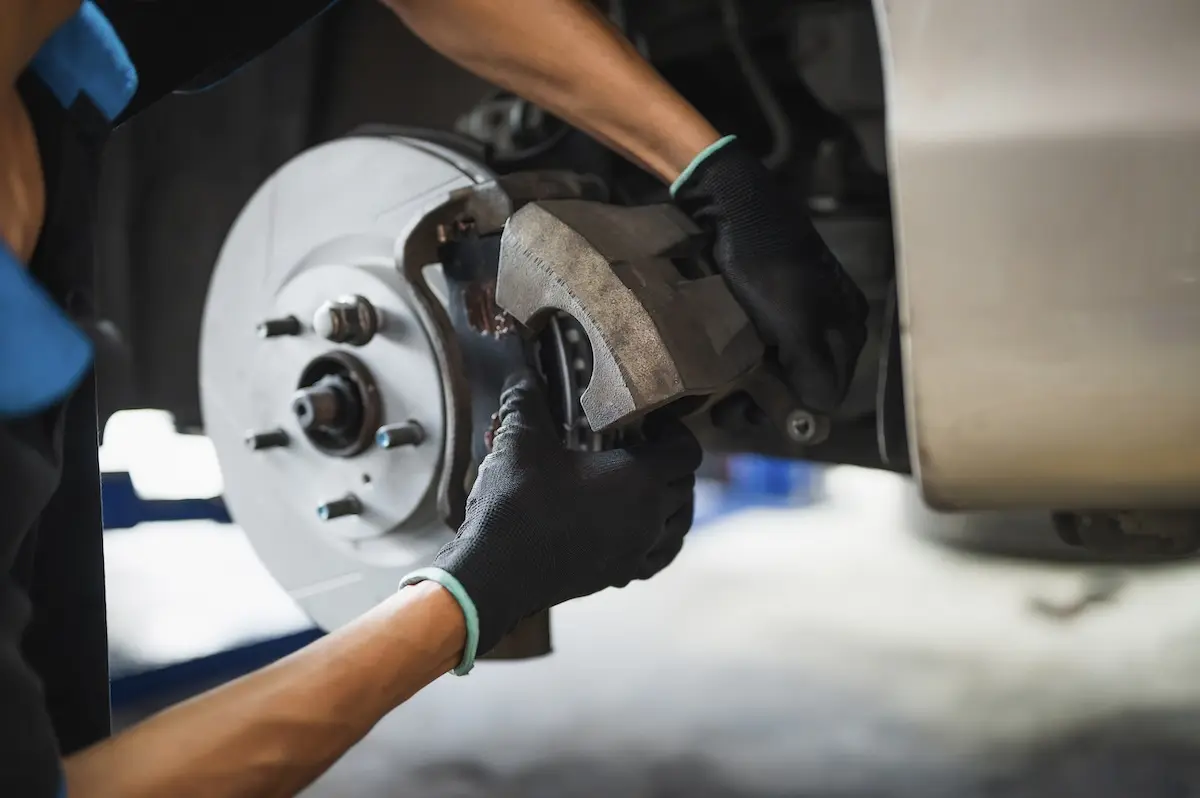
Exploring Advanced Techniques in Brake System Repairs
The braking system is one of the most critical components of any vehicle, ensuring the safety of both the driver and passengers. Proper maintenance and timely repairs are essential to keep the brake system in optimal working condition. By understanding the importance of brake system maintenance and repair, you can proactively address issues and ensure reliable and efficient braking performance.
Common Brake System Issues and Their Causes
The brake system plays a crucial role in the safe operation of a vehicle. However, it can encounter several issues that affect its effectiveness. It's important to be aware of these common problems and their potential causes in order to address them promptly and implement the necessary repair techniques. Here are some key issues associated with brake systems:
- Squealing or Grinding Noises: Unusual noises like squealing or grinding when applying the brakes can indicate worn-out brake pads. Over time, brake pads wear down and lose their friction material, resulting in metal-to-metal contact and the accompanying noise.
- Pulsating Brake Pedal: If you feel a pulsation or vibration in the brake pedal when braking, it may be due to warped brake rotors. Warping can occur from excessive heat buildup or uneven cooling, leading to an uneven surface on the rotors and an irregular braking sensation.
- Reduced Braking Power: If you notice a significant decrease in braking power, it could be attributed to several factors. Worn brake pads, insufficient brake fluid, or a malfunctioning brake booster can all contribute to diminished braking effectiveness.
- Soft Brake Pedal: A soft or spongy brake pedal that requires excessive pressure to engage the brakes is often a sign of air in the brake lines or a brake fluid leak. Air in the system can lead to reduced hydraulic pressure, while fluid leaks can result in a loss of brake fluid, compromising the overall performance of the brakes.
Advanced Techniques in Brake System Repairs
Advancements in technology have led to the development of advanced techniques for brake system repairs. One such technique is brake pad sensor integration, which provides a warning indicator when the brake pads are worn and need replacement. Additionally, computerized diagnostic tools enable a precise analysis of the brake system, detecting any potential issues in the ABS (anti-lock braking system), brake fluid pressure, or sensor functionality. These advanced techniques allow for accurate diagnosis and efficient repairs, ensuring the proper functioning of the brake system.
The Role of Professional Brake System Repair Services
While some brake system repairs can be done by vehicle owners with the necessary skills and tools, it is advisable to seek professional brake system repair services for complex issues. A qualified auto repair shop has the expertise and specialized equipment to diagnose and address intricate brake system problems effectively. Professional technicians can also provide routine brake system maintenance, including brake fluid flushes, rotor resurfacing, and caliper servicing, to prevent future issues and maintain optimal brake performance.
By staying informed about the importance of brake system maintenance, common brake system issues, and advanced repair techniques, you can take proactive measures to ensure the safety and reliability of your vehicle's braking system. Remember, for complex brake system repairs and maintenance, consult with a professional auto repair shop to benefit from their expertise and specialized services. With proper care and timely repairs, you can overcome barriers and enjoy a smooth and secure driving experience.
12/01/2023Read moreAutomotive Repairs Due to Vehicle Start-Up Delay
Your vehicle's starter, battery, and engine work jointly to power it into kick-off. Fuel keeps an engine running, but it depends on the starter to establish part of the ignition process. There are numerous causes of automotive repairs that could circle the functionality of your vehicle's starter components. This list begins with several possibilities, from a negatively functioning alternator to a clogged fuel filter. Here is a summary of how it works better to understand the starter's role in the ignition process.
How Does a Vehicle Start?
The starter motor uses power to turn the vehicle into running mode in preparation for drive. The starter requires a heavy electric current which then relies on the power of the battery and alternator. The alternator and battery work parallel to supply the vehicle with a balanced and optimal level of electrical power for engine ignition. When the key turns, the engine rolls over with the starters' help to fire the spark plugs, and the spark plugs do just that, spark and send air and fuel towards ignition. Now that there is a better understanding of how a vehicle starts, there is room for a showcase of some common causes of failure due to faulty parts and the signs to look for when either of these parts is on their way to complete failure. These signals will allow the driver to be proactive before things lead to significant repairs. The most common causes of a slow start-up with a vehicle can be triggered by:
- A faulty alternator
- A bad battery
- A bad ignition switch
- Poorly performing spark plugs
- Or a clogged fuel filter
Although these faults are unfortunate, they are all designed to communicate when they struggle to perform at the maximum level. These different indications are in place to grant the operator a head start in seeking attention.
A faulty alternator may communicate to the driver its need for attention through growling noises, the smell of burning rubber, dim interior lights, or overly bright headlights. Sometimes a failing alternator can be due to age, but professionals still recommend keeping an eye out for fluid leaks that may hinder parts. Engine oil and power steering fluid tend to negatively affect the alternator most if the two meet, so professionals support routine maintenance to catch minor things before they turn major.
A bad battery is typically the number one reason for start-up failures because it is the leading electrical power source, and the starter relies on its energy. It may exhibit delinquency through dimmed lights, corrosion, a vehicle starting and dying immediately, and a non-functioning radio. Due to these signs, expert technicians like the talented team at SPACE25 Automotive Care recommend prioritizing turning off all lights when exiting your vehicle and keeping the battery clean from corrosion and testing its output voltage level from time to time. Pre-mature failures occur when a vehicle sits for long periods due to lack of stimulation which is why professionals recommend running lightly used vehicles.
If an ignition switch fails, it will often relay the message through car stalls, the key won't turn, and the dashboard lights may flicker. Once alerts such as these appear, our expert team at SPACE25 Automotive Care suggest bringing the vehicle into our certified repair shop to be placed on diagnostic and make any necessary automotive repairs or replacements.
The spark plugs are in place to direct air and fuel to the engine's combustion chamber but tend to fail due to a lack of execution of external factors. Poor performing spark plugs may reduce gas mileage, create hard starts, decrease acceleration power, and cause rough idling. The vehicle's inability to start gets eliminated once the owner takes the following proactive steps:
- Maintains clean spark plugs through routine checks
- Pays attention to burning oil and engine overheating
These are two of the best ways to control spark plug health!
The last common cause of start-up failure may be a clogged fuel filter which can result in poor engine performance, hard starting, stalling, and a check engine light notification. The professionals at SPACE25 Automotive Care recommend several ways to eliminate failure, such as getting regular filter changes, paying attention to the check engine light, and getting regular flushes on the engine to avoid build-up from dirt and debris entering the fuel components.
There are several elements in position to deliver initial start-up in your vehicle. Each of these elements can fail if proper maintenance is not in place. Automotive repairs on either of these parts can be expensive but staying on top of routine visits at SPACE25 Automotive Care gives vehicle owners the best advantage.
10/01/2022Read more
Top 7 Warning Signs Drivers Overlook
A vehicle is programmed with a computer to communicate in various ways that a fault is detected. Each fault has an error code that displays an icon in correspondence to the issue. For instance, often times if a vehicle dictates low tire pressure, it may communicate just that or post a tire icon on the dashboard to relay the message. An engine issue is typically conveyed with an engine icon to make known one or more parts tied to the engine need healing. On top of these listed messages are others linked to the drivers' senses, such as sight, sound, smell, and touch. Here are the most overlooked warning signs that can result in major repairs if neglected for too long.
Overheating
Coolant is necessary for all vehicle types, whether diesel or gas powered, compact car or truck. The coolant keeps the engine from overheating, protecting its vital parts. Coolant should be regularly monitored and flushed to allow the radiator to perform its function. Old coolant can destroy the metal parts that make up the engine due to acidity. Auto experts recommend that a vehicle's acid levels read no less than 10 to avoid major and expensive repairs to the radiator or the engine and use strips to run test. During the coolant flush process, technicians will use a cleaning mechanism to flush out the coolant to break it down. This procedure flushes not only the old coolant but also any rust, dirt, or sludge that may have accumulated from the water hoses and the engine over time.
Squeaky Brakes
The brakes in every vehicle have the most critical role in protecting the driver, their passengers, and others on the road. Brake issues usually occur due to a lack of maintenance by regularly checking the brake pads, discs, and lines. Brakes often convey there is needed attention through squeaking and squealing during operation. Monitoring the life of these components can protect the brakes from more expensive repairs like warped or worn brake rotors. Decreased brake performance develops due to normal wear and tear, which is why these parts require maintenance. Failure to do so and the brakes could fail completely
Warning Lights on the Dashboard
As mentioned before, every vehicle is programmed with a computer with communication capabilities to relay messages that will be in the best interest of the vehicle parts. Check engine lights can be tied to several different factors within the vehicle. Often, a vehicle will issue a check engine light notification when something as simple as a gas cap is loose. Whatever the case, the warning lights protect the driver and the parts. These warning lights allow the operator to be proactive, take action, and avoid unwanted and potentially expensive repairs.
Transmission Slipping
The transmission is one of a vehicle's most essential parts. The transmission is in place to ensure that the engine turns and delivers a balanced power rate depending on the driver's desire. That balance is determined by if the driver wishes to accelerate or drive at slower speeds. Transmissions require fluid to conduct performance and are needed to be flushed in intervals. These flushes exist because, just like other components of a vehicle, normal wear and tear deplete parts and fluids of their capabilities. Frequently, a driver may hear strange noises from the transmission or restrictions when shifting gears to convey that a flush is necessary.
Shaking, Vibrations, Burning Smells and Smoke
With the use of the driver's senses, many issues can be determined and possibly fixed before significant repairs are mandatory. Vibrations or shaking are one of many apparent indicators of an issue. Any shaking or vibrating in the steering wheel or the seat may be due to suspension decline, bad tires, or an electrical issue. The smell of burning oil or visibly identifying smoke from under the hood could be due to a blown gasket, a damaged cylinder, or worse, a cracked engine block. Cracks in the engine parts can cause coolant to burn a thick white smoke. There is also the possibility that small amounts of motor oil or other fluids like power steering fluid, brake fluid, or transmission liquid have reached the engine by mistake.
Fluid Under the Vehicle
Fluid leaks under a vehicle are due to broken or worn parts. Water leakage is typically the most harmless instance because a vehicle's air conditioner must release the excess moisture developed in the cabin and usually does so underneath the vehicle. Engine oil leakage is typically produced by a crankshaft seal, failing engine gasket, or an oil pan spill. A coolant leak can develop due to a faulty hose. A broken radiator with low fluid usually causes a foul odor and potential engine overheating. Transmission fluid varies in color depending on the manufacturers' standards as either a pink or red fluid. As mentioned before, a failing transmission system will have trouble switching gears or cause unusual noises.
The various ways that a vehicle communicates a fault in one of its parts all help preserve the component's life before absolute failure, whether it be notifications from the dashboard or the driver's use of senses. These indications allow the operator to be proactive by fixing the issue. Professionals recommend maintenance services be performed routinely to stay on top of faulty parts before they require significant and expensive repairs.
11/15/2022Read more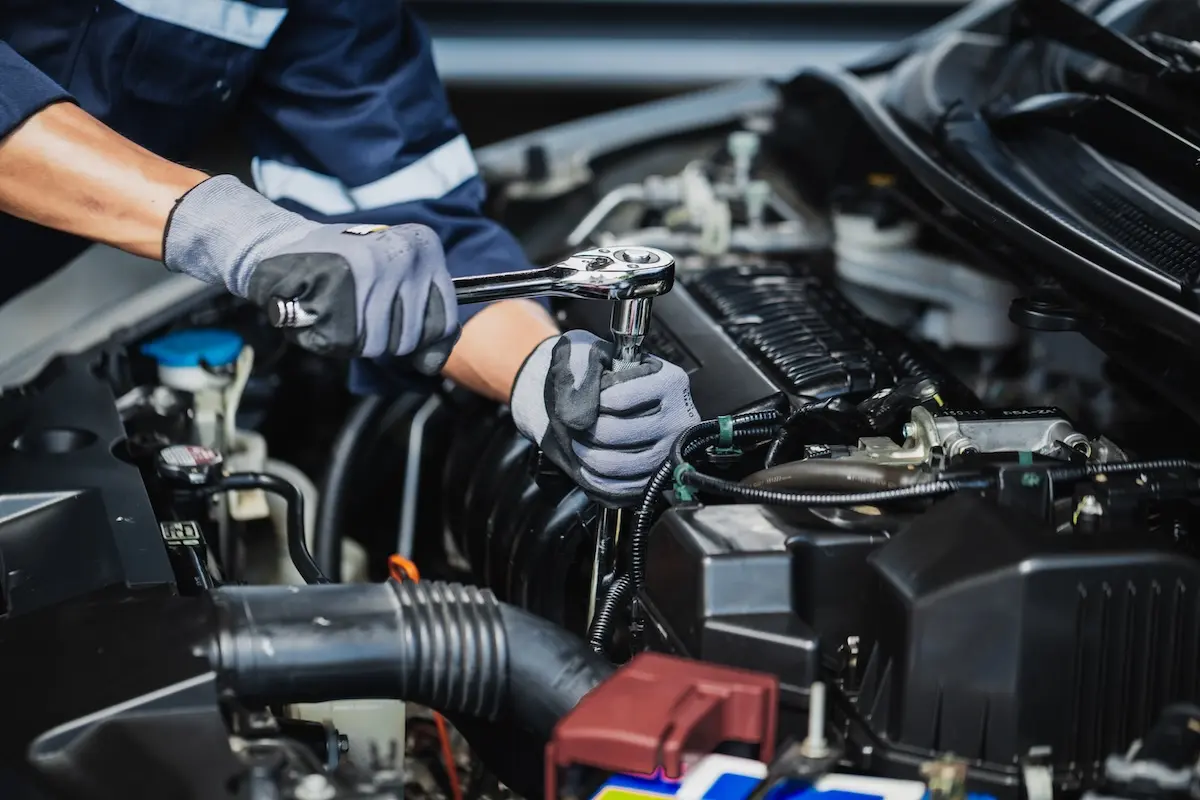
Importance of Preventative Maintenance
Proper maintenance is key to ensuring your vehicle's long-term health and performance. By following a few simple preventative maintenance tips, you can save yourself from unexpected breakdowns and expensive repairs. Regular upkeep enhances your vehicle’s longevity and contributes to a safer and more efficient driving experience. Let's explore some essential maintenance tasks that every vehicle owner should prioritize.
Regular Fluid Checks and Changes
One of the most crucial aspects of preventative maintenance is monitoring and changing fluids in your vehicle. This includes engine oil, coolant, transmission fluid, and brake fluid. Regularly checking these fluids and changing them at the recommended intervals helps to keep your vehicle's vital systems operating smoothly. Low or contaminated fluids can lead to engine overheating, poor shifting, brake failure, and other serious issues. Consult your vehicle's manual or seek professional assistance to ensure you use the correct fluids and adhere to the manufacturer's recommendations.
Tire Care and Rotation
Proper tire maintenance is essential for both safety and fuel efficiency. To ensure your tires stay in optimal condition, follow these key tips:
- Regularly check tire pressure: Use a reliable tire pressure gauge to check the pressure of each tire, including the spare. Refer to the vehicle's manual or the sticker inside the driver's door for the recommended pressure. Underinflated or overinflated tires can affect handling, fuel economy, and tire wear.
- Inspect tire tread depth: Adequate tire tread depth is crucial for traction and safe driving, especially in wet or slippery conditions. Use a tread depth gauge or the penny test to check the depth. Consider replacing the tires if the tread depth is close to or below the recommended limit.
- Rotate your tires: Rotating your vehicle's tires at regular intervals helps promote even wear. The front and rear tires experience different levels of stress and wear, so rotating them helps distribute the workload evenly. Consult your vehicle's manual or an auto repair professional to determine the recommended rotation pattern and interval.
- Wheel alignment: Periodically have your wheels aligned to ensure proper tire wear and handling. Misaligned wheels can cause uneven tire wear, vibration, and reduced fuel efficiency. If you notice your vehicle pulling to one side or uneven tire wear, it may be time for wheel alignment.
By following these tire care tips and incorporating them into your preventative maintenance routine, you can maximize the lifespan of your tires, improve fuel efficiency, and enhance overall safety on the road.
Battery Inspection and Cleaning
The vehicle's battery is its power source, and a weak or dead battery can leave you stranded. To avoid unexpected battery failure, periodically inspect the battery terminals for corrosion and ensure they are clean and tightly connected. Clean any buildup using a battery cleaning brush or a mixture of baking soda and water. Consider regularly testing your battery's voltage to assess its health and replace it if necessary. If you're unsure about battery maintenance, consult an auto repair professional to assist you with testing, cleaning, and replacement.
Regular Inspection of Belts and Hoses
The belts and hoses in your vehicle play a critical role in the proper functioning of various systems, including the engine, cooling system, and air conditioning. Over time, these components can deteriorate and develop cracks, leaks, or become loose. Regularly inspect the belts for signs of wear, such as fraying or cracking, and ensure they are properly tensioned. Similarly, check the hoses for leaks, bulges, or soft spots. Replace any worn or damaged belts and hoses promptly to prevent costly engine damage or system failures.
Preventative maintenance is the key to keeping your vehicle running smoothly and avoiding unexpected breakdowns. By following these simple tips and scheduling regular check-ups with an auto repair professional, you can ensure your vehicle's longevity, safety, and optimal performance. Remember, investing time and effort in preventative maintenance now will save you from costly repairs and keep you on the road with peace of mind.
08/15/2023Read more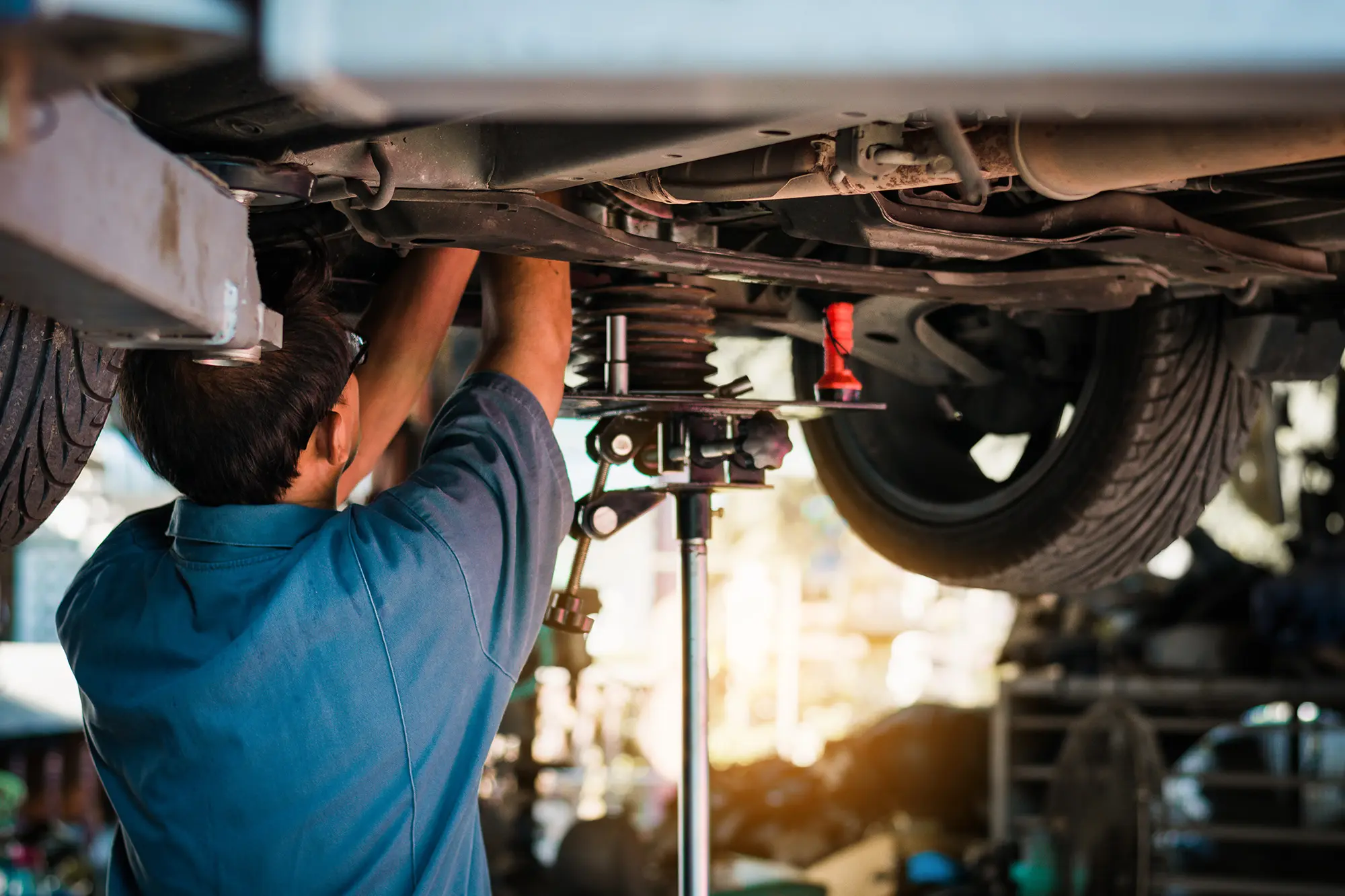
Understanding the Suspension System in Your Vehicle
The suspension system plays a crucial role in your vehicle's overall handling and ride comfort. It is responsible for absorbing shocks, maintaining tire contact with the road, and providing stability during turns. By understanding the key components of the suspension system, you can better appreciate the importance of regular maintenance and timely repairs.
Identifying Common Suspension System Issues
Suspension system issues can manifest in various ways, impacting your vehicle's handling and overall driving experience. Some common problems include uneven tire wear, excessive bouncing or swaying, a bumpy ride, or a drifting sensation while driving. It's essential to identify these issues early on and address them promptly to prevent further damage and ensure optimal performance.
- Uneven Tire Wear: Suspension system issues can cause uneven tire wear, where certain areas of the tires wear out faster than others. This can indicate problems with alignment, worn-out suspension components, or improper tire inflation.
- Excessive Bouncing or Swaying: If you notice excessive bouncing or swaying of your vehicle, especially when going over bumps or during cornering, it could be a sign of worn shocks or struts. These components are responsible for absorbing shocks and maintaining stability.
- Bumpy Ride: A rough and uncomfortable ride, with the feeling of every bump and pothole on the road, can be attributed to worn-out suspension components. Over time, the shocks, struts, or springs may lose their ability to provide a smooth and controlled ride.
- Drifting Sensation: When driving, if you experience a drifting sensation where the vehicle pulls to one side or feels difficult to keep in a straight line, it may indicate alignment issues or problems with suspension geometry. These issues should be addressed promptly to ensure proper vehicle control.
By recognizing these common suspension system problems, such as uneven tire wear, excessive bouncing or swaying, a bumpy ride, or a drifting sensation, vehicle owners can be proactive in identifying and resolving these issues. Addressing suspension system problems promptly not only improves the overall driving experience but also helps prevent further damage and ensures optimal performance of the vehicle.
Addressing Worn Shocks and Struts
Worn shocks and struts are among the primary culprits behind suspension system problems. Over time, these components can lose their ability to absorb shocks effectively, leading to a rough and uncomfortable ride. Regular inspections and timely replacement of worn shocks and struts are crucial for maintaining a smooth and controlled driving experience.
Balancing Wheel Alignment and Tire Issues
Proper wheel alignment and tire condition are vital for a well-functioning suspension system. Misaligned wheels can cause uneven tire wear and affect steering responsiveness, while worn or improperly inflated tires can compromise overall handling and safety. Regular wheel alignments and tire maintenance are essential for maximizing the lifespan of your suspension system components.
Upgrading Suspension Components for Enhanced Performance
If you're looking to enhance your vehicle's handling and performance, upgrading suspension components can make a significant difference. High-performance shocks, struts, and springs can provide improved stability, reduced body roll, and enhanced cornering capabilities. However, it's crucial to consult with an experienced auto repair shop to ensure the compatibility and proper installation of these aftermarket components.
By understanding the importance of the suspension system, identifying common issues, addressing worn shocks and struts, maintaining proper wheel alignment and tire condition, and exploring performance upgrades, you can optimize your vehicle's suspension system for improved handling and an enjoyable driving experience. Remember to consult with a trusted auto repair shop for professional diagnosis, repairs, and expert guidance on suspension system maintenance and upgrades.
10/15/2023Read moreShedding Light on Electrical System Diagnostics and Repair
The electrical system is a vital component of your vehicle, responsible for powering essential functions and ensuring smooth operation. Understanding the basics of the electrical system is key to diagnosing and resolving common issues. From the battery that provides the initial power to the alternator that keeps it charged and the intricate network of wiring that connects everything, each element plays a crucial role in the electrical system's functionality.
Common Electrical System Issues
Electrical problems in vehicles can manifest in various ways. It's important to be aware of these common issues as they can be frustrating and impact the overall functionality of your vehicle. By familiarizing yourself with these problems, you can better identify their underlying causes and take appropriate measures for resolution. Here are some common electrical system issues to watch out for:
- Dead Battery: A dead or weak battery can prevent your vehicle from starting. This can be caused by a faulty battery, a drained battery due to leaving lights on, or issues with the charging system.
- Flickering Lights: If you notice your vehicle's lights flickering or dimming, it could indicate a problem with the electrical system. This may be caused by a faulty alternator, loose connections, or a failing voltage regulator.
- Malfunctioning Power Windows: Power windows not working properly can be a sign of electrical issues. It could be due to a faulty window motor, wiring problems, or a malfunctioning switch.
- Intermittent Electrical Failures: Inconsistent operation of various electrical components, such as the radio, air conditioning, or dashboard lights, could be indicative of an electrical problem. Loose connections, damaged wiring, or a faulty control module may be the underlying causes.
By being aware of these common electrical system issues, you can stay vigilant and take prompt action when necessary. Identifying the root causes of these problems will help you address them effectively and ensure the smooth functioning of your vehicle's electrical system.
Diagnosing and Repairing Electrical System Problems
Diagnosing and repairing electrical system problems require a systematic approach. When faced with electrical issues, start by inspecting the battery and checking for loose connections or corrosion. A faulty battery or poor connections can disrupt the entire electrical system. If the battery is in good condition, proceed to test the alternator's output and examine the wiring for any signs of damage or loose connections. Specialized diagnostic tools can aid in identifying specific issues and ensuring accurate diagnosis.
Consulting Professional Auto Repair Services
While basic electrical system troubleshooting can be performed by vehicle owners, more complex issues may require professional assistance. If you lack the knowledge, experience, or diagnostic tools to tackle intricate electrical problems, it's best to consult a trusted auto repair shop. Experienced technicians have the expertise to handle advanced diagnostics and repair procedures. They can accurately identify the root causes of electrical system issues and provide effective solutions to ensure your vehicle's optimal performance and safety.
By shedding light on electrical system diagnostics and repair, we aim to empower vehicle owners to tackle common issues effectively. Remember, proper maintenance, regular inspections, and prompt attention to electrical problems can help prevent more significant issues and extend the lifespan of your vehicle's electrical system.
11/15/2023Read more
What Are the Signs of Wheel Imbalance?
Wheel imbalance is overlooked until an unfortunate event such as a blown tire occurs, and you're left stranded. There are ways a vehicle communicates that its tires are improperly balanced that can alleviate the probability of unfortunate occurrences. Often, a vehicle's steering wheel may vibrate, or the tire tread may disappear to relay the message of fault somewhere. Read along for a list of the most common signs a vehicle may need wheel balancing.
Over time some repairs will indeed be necessary, and then there are times when things just happen, and the outcome is repair or replacement. When it comes to wheel imbalance, repairs can result from factors such as improper tire pressure, the weather, worn-out tires, loss of tire weight, and improper alignment, all of which can reflect one another. Each of these factors may result in repairs because when the tire pressure in one tire is lower than the other, the vehicle loses stability.
Here is a list of reasons why a vehicle’s wheels become imbalanced:
Low Tire Pressure
Low tire pressure can be due to the weather. In colder months, tires often experience lowered pressure due to the cold air causing the air to become more condensed.
Worn-out Tires
Worn-out tires are often the result of normal wear and tear, but it can also be due to a lack of tire rotation practices during maintenance appointments or the fact that tires can come into contact with rough road surfaces or tarmac. Either of these elements may contribute to tires wearing quickly.
Loss of Tire Weight
Another possibility for improper wheel balance may be because a tire loses its weight, and proper tire weight is vital for vehicle balancing and stability purposes. A lot of times, simply hitting potholes or speed bumps at increased speeds can cause tire weight loss.
Improper Alignment
People often confuse wheel alignment with wheel imbalance, but they are, in fact, different. If the alignment is wrong, the angle to which the tires touch the road will be uneven, which can cause overly used tires. Improper alignment can decrease wheel balance performance simply because the alignment parts are in place to maintain the performance of the vehicle's suspension system.
Experts say that there are specific indicators that the wheel balance on a vehicle is declining. These symptoms range from issues in the steering column to the shocks and bearings. These factors are reliant on one another and are a part of what makes a vehicle's wheels adequately balanced to get the most of the wheels and tires for a smooth ride.
What are the signs of wheel imbalance?
Balanced wheels ensure that the vehicle's weight is evenly distributed because when all areas of the wheel tire unit are as equal as possible, the wheels will roll smoothly. Here are the most common signs that a vehicle may need wheel balancing service:
- Vibrations in the wheel column are one of the earliest signs that there is an imbalance. As the imbalance consistently declines due to lack of repair, the vibrations in the steering column will increase. Neglect could negatively affect the cabin of the vehicle as a whole if it goes on too long by damaging the floorboards or rear seats.
- Wheel imbalance can also cause steering the vehicle to be more difficult by delaying the steering response time. Loss of control of the vehicle is dangerous to you, your passengers, and others on the road.
- Uneven tire wear is another early sign of wheel imbalance which is why routine tire rotation should be an essential part of maintenance upkeep. Neglect to do so will result in eventually flat or busted tires. This occurring during operation is dangerous for you and others.
- Since unbalanced wheels put more stress on the engine because the engine must work harder to keep the vehicle on the road, it essentially sucks up more fuel contributing to bad fuel economy.
- The shocks, bearings, and other significant components of the wheel assembly system make a ride smooth for the driver and passengers. These components absorb the impact from the road by limiting any swaying or up and down movement during travel. The springs or coils pivot and rotate to create an even ride on both sides of the vehicle. When the wheel assembly system is improperly functioning, it is due to imbalanced wheels, which causes more wear and tear on the tires.
The number one clue of a wheel balance issue is unevenly worn tires or vibration in the steering wheel. Since wheel imbalance can be due to several factors and the vehicle communicates in various ways that there may be the need for professional attention, it is vital to stay on top of maintenance. Routine tire rotations will grant the operator the knowledge from vehicle professionals that wheel balancing service is due!
11/22/2022Read more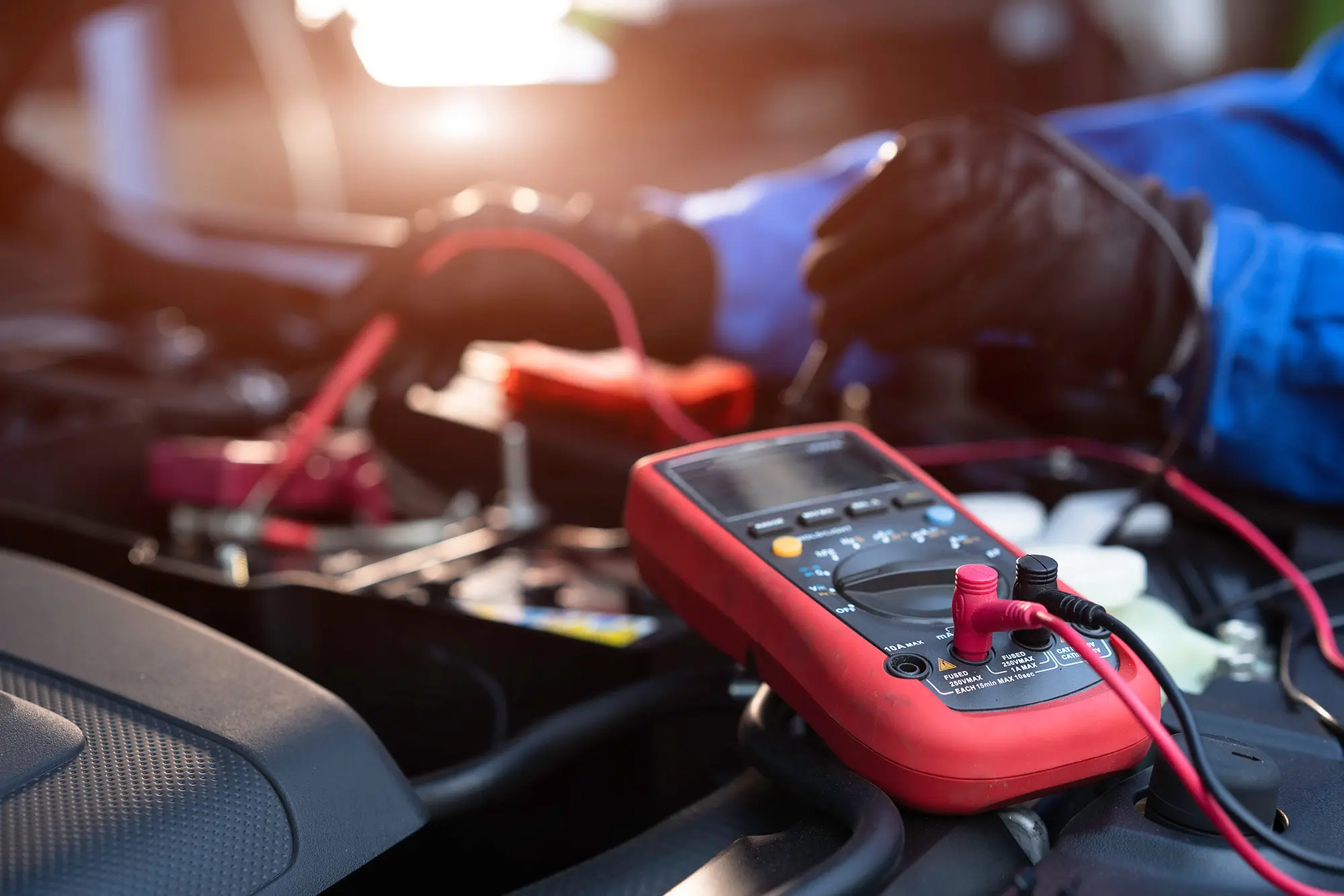
The Electrical System: How the Battery Powers Your Vehicle
In today's modern vehicles, the electrical system plays a pivotal role in powering numerous components and ensuring a smooth and comfortable driving experience. At the heart of this intricate system lies the battery, a seemingly unassuming component with a crucial role to play. In this blog, we will delve into the workings of a vehicle's electrical system and explore the indispensable role that the battery plays in supporting its functionality.
The Vehicle Electrical System: A Network of Power
A modern vehicle's electrical system is a complex network of components and circuits designed to generate, store, and distribute electrical power throughout the vehicle. This system is responsible for powering a wide range of functions, from starting the engine to providing electricity for lights, climate control, entertainment systems, and safety features.
Key Components of the Vehicle Electrical System
- Battery: As the primary power source and energy storage unit, the battery is the heart of the electrical system.
- Starter Motor: The starter motor is responsible for turning the engine over when you turn the ignition key, allowing the engine to start running.
- Alternator: Once the engine is running, the alternator takes over. It generates electrical power and charges the battery while also supplying power to various electrical components.
- Ignition System: This system is responsible for creating the spark needed to ignite the air-fuel mixture in the engine's cylinders
- Lights: Headlights, taillights, brake lights, turn signals, and interior lights all rely on the electrical system.
- Climate Control: The heating, ventilation, and air conditioning (HVAC) system uses electrical components to control temperature and airflow.
- Entertainment Systems: Radios, speakers, infotainment systems, and navigation systems all rely on electricity.
- Safety Features: Electrical systems power safety features like airbags, anti-lock brakes, and stability control.
The Crucial Role of the Battery
The battery serves as the initial power source in a vehicle's electrical system and plays several key roles:
- Starting the Engine: When you turn the ignition key, the battery delivers a burst of electrical energy to the starter motor. The starter motor then cranks the engine, allowing it to start running.
- Stabilizing Voltage: The battery helps stabilize the voltage in the electrical system. It acts as a buffer against voltage fluctuations, ensuring a consistent power supply to various components.
- Powering Accessories: When the engine is off, the battery continues to provide power to essential accessories like lights, the radio, and power windows.
- Supporting the Alternator: The battery works in tandem with the alternator. While the alternator generates electrical power when the engine is running, it also charges the battery, ensuring it remains at the optimal state of charge.
The Consequences of a Faulty Battery
A faulty battery can have a significant negative impact on a vehicle's overall performance and reliability:
- Starting Problems: A weak or dead battery can result in slow cranking or difficulty starting the engine, potentially leaving you stranded.
- Electrical Malfunctions: A failing battery can lead to dimmed headlights, flickering interior lights, and erratic electrical behavior in various components.
- Alternator Strain: A weak battery forces the alternator to work harder to charge the battery and provide power, potentially leading to premature alternator failure.
- Reduced Fuel Efficiency: A malfunctioning battery can impact fuel efficiency as the engine control unit (ECU) may not operate efficiently.
- Stalling or Engine Cutoff: In some modern vehicles, a failing battery can result in stalling, or an engine cutoff as the ECU relies on a stable electrical supply.
- Shortened Battery Life: Neglecting a faulty battery can lead to further damage, shortening its overall lifespan and requiring more frequent replacements, which in turn can become costly depending on the vehicle's make and model.
Conclusion
The electrical system in a vehicle is a sophisticated network of components designed to provide power for various functions, from starting the engine to powering safety features and entertainment systems. At the heart of this system, the battery plays a pivotal role, serving as the initial power source and stabilizing voltage fluctuations. Understanding the importance of the battery and its role in vehicle functionality underscores the need for regular maintenance and timely replacement when necessary. By ensuring a healthy electrical system, you can enjoy a reliable and trouble-free driving experience.
01/15/2024Read more
Fuel System Repair: Keeping Your Vehicle at Peak Performance
Your vehicle's fuel system is like the heart of your vehicle, responsible for delivering fuel to the engine to create the power needed to get you where you need to go. Just like your heart, your fuel system requires regular maintenance and care to keep it running at peak performance. In this article, we'll take a look at fuel system repair from a different perspective, exploring some unconventional ways to keep your fuel system healthy and running smoothly.
Ways to Diagnose Fuel System Issues
Most drivers know the common signs of fuel system issues, such as reduced fuel efficiency, hard starting, and strange noises. But did you know that there are some unusual ways to diagnose fuel system issues? Here are a few:
- Take a Whiff: If you smell gasoline while driving or when you start your vehicle, it could be a sign that your fuel system is leaking. While it's not always the case, a gasoline odor can indicate a fuel line or fuel tank leak.
- Check Your Mileage: If you're getting significantly fewer miles per gallon than you used to, it could be a sign of fuel system issues. While many factors can impact fuel efficiency, a sudden drop in gas mileage can be a red flag that something is amiss.
- Listen Up: Your vehicle's engine should run smoothly, without any knocking or pinging sounds. If you hear unusual sounds coming from your engine, it could be a sign of fuel system problems. For example, a hissing noise could indicate a fuel line leak, while a knocking sound could mean your fuel injectors need cleaning or replacement.
Thinking Outside the Box for Fuel System Prevention
Preventing fuel system issues isn't just about regular maintenance and inspections. Here are a few outside-the-box tips to keep your fuel system in top condition:
- Use Quality Fuel: The quality of fuel you use can have a significant impact on your fuel system's health. Choosing high-quality fuel from a reputable supplier can help keep your fuel system clean and free of contaminants.
- Go Green: Consider using alternative fuels, such as biodiesel or ethanol blends. These fuels can help keep your fuel system clean while reducing your vehicle's carbon footprint.
- Keep It Clean: A clean fuel system is a happy fuel system. Regular fuel injector cleaning can help prevent buildup and keep your fuel system running smoothly.
- Upgrade Your Air Filter: A dirty air filter can restrict airflow to your engine, which can put extra strain on your fuel system. Upgrading to a high-performance air filter can help your engine breathe easier and reduce the risk of fuel system problems.
Fuel system repair is an essential component of vehicle maintenance, but taking a unique perspective can help you diagnose and prevent issues before they become major problems. By thinking outside the box and using unconventional methods to keep your fuel system healthy, you can enjoy a smooth and efficient driving experience for years to come.
07/15/2023Read more
Vehicle Whining Noises - What It Could Indicate
A vehicle is made of many different components that support the engine to keep a vehicle running successfully. The parts that make up a vehicle are all susceptible to failure and can communicate to the driver when the performance of the part is on a decline. Some sounds are expected from a vehicle since it is a working machine that is constantly being started and shut off, accelerated, and braked, turned, and reversed, as well as many other actions. There are normal noises for a working vehicle, and then there are abnormal noises. Here is a detailed list of possible noises, what parts these noises may be coming from, what could be the issue, and what repairs may help.
Whining Noises:
When Turning
If there are any whining noises in a vehicle during operation, it could be due to various possibilities. For instance, whining noises when turning can be an indication that there is an issue within the steering column. Maybe the steering belt is performing poorly, is loose, or is torn. There is also the possibility that the steering system lacks the appropriate or recommended amount of fluid. The repairs for this issue could be having the steering column inspected thoroughly to reveal if the components in the steering column need to be replaced entirely or if something as simple as having fluids topped off is the best solution.
During Acceleration
Whining noises when the driver attempts to accelerate the vehicle can correlate to an issue with the transmission. Transmission issues can derive from little to no transmission fluid to worn-out gears. These issues could be simple to fix by taking the vehicle to a professional technician to replace the gears using top-of-the-line parts or getting some maintenance services performed by receiving proper fluid replenishment.
While Idling
A vehicle's engine is designed to maintain production even if the vehicle's wheels aren’t turning. This stage is called idle. While a vehicle is idling, the engine is running and working non-stop. It is normal to hear the engine while in this stage, but some noises can indicate that the engine is struggling to perform correctly. If the vehicle begins whining while stationary, it could be because the engine needs an oil change. After all, oil changes are the lubrication the engine needs to perform at maximum level. Without it, the engine could give out completely or break down to protect itself. There is also the possibility that whining noises while idling is because the valves are stuck and need some adjusting which is a simple fix. Lack of oil can cause irreversible damage in the long run if there is a pattern of lack of maintenance. It is highly recommended to have fluid services like oil changes done on time to prevent issues with the engine and its parts.
What are some other audible abnormalities?
There are plenty of other noises that a vehicle may make to communicate that there is an issue with one or more of its vital parts; here a three common sounds. These noises should never be ignored because although they may start off as easy-fixes or replacements, ignoring the signals that a vehicle makes for too long can revert to costly repairs.
Knocking, Popping, or Banging
Some common causes of knocking can be because low-octane gasoline resides in a vehicle engine, although it requires high-octane gasoline. A simple mistake such as this causes the engine to respond negatively, which will reflect in its performance during every ride. To fix this problem, it is vital to ensure that proper fluids are placed where they should be every time.
Squealing or Chirping
Brakes are vital for the safety of every driver and passenger. Noises such as squealing can come from brakes, revealing that either the brake pads, brake rotors, or brake shoes will need to be replaced. Expert technicians recommend regularly inspecting brakes to make repairs or replacements on time.
Clicking or Tapping
When the sound of clicking or tapping is indicated during operation, it could be coming from the CV joints. The CV joints connect the vehicle's transmission to its wheels. The transmission helps with controlling and maintaining speeds for the driver. If either one of these components isn't working correctly, it lessens the vehicle's ability to get the driver from point A to point B. CV joints are easy to tend to since you can only replace them. Issues with the transmission can require replacement or even a complete rebuild.
When noises are trying to alert the driver that there is in issue it is critical for the safety of the driver and the health of the vehicle that these signals be inspected immediately so that repairs or replacements are performed following.
12/15/2022Read more
Reasons and Causes for Car Vibrations
There are several reasons why a vehicle may be vibrating to communicate that there is an issue with a component in the vehicle. A vehicle is made of many different components, all of which have the potential to fail due to wear and tear or misuse. The vehicle is comprised of elements that are designed to signal when there is an issue within it such as shaking, vibrating, wobbling, and more. Car vibrations are one of the most common signs that there are either issues with the axle, wheels, tires, brakes, or the engine. There could even be complications within the steering wheel. Here is a list of parts that may signal through vibration that there is an issue and how it can impact the vehicle's performance.
Axle
The axle plays a very important role in supplying a vehicle with the support it needs to perform optimally. The axle is made of a rod or shaft that rotates the wheels to supply the weight of a vehicle with proper support. The axle is made up of three very important parts:
- Front
- Rear
- Stub
If an axle is bent or uneven it will often cause the vehicle to vibrate which communicates to the operator that there is an issue. Oftentimes, a bent axle occurs after a collision happens, when a vehicle is driven into a ditch, or from driving over speed bumps too harshly.
Misalignment and the Suspension System
The alignment of a vehicle is the system that connects the wheels to the vehicle such as the suspension system. The suspension system is comprised of various components all employed to support the vehicle's ability to roll smoothly. When a vehicle is taken into an auto repair shop for alignment service, technicians will simply adjust the angles within the suspension system to ensure the vehicle's tires meet the road appropriately and proportionately. The suspension systems job is to make sure that all four tires support each other with same speed and direction.
How does misalignment occur?
A vehicle becomes misaligned due to various causes such as:
- Collisions
- Hitting potholes
- Driving a vehicle too harshly
To make sure a vehicle is always aligned properly, the operator must prioritize proper tire care. Tire rotations, wheel balances, and wheel alignments must be maintained to avoid misalignment. When a vehicle is misaligned, wobbling within the wheel system occurs or the vehicle may drift to opposing sides. There is also the possibility of steering wheel vibrations and shaking that may occur to communicate alignment issues. Having the vehicle aligned properly is not a difficult task but it is recommended that it is performed by an auto repair professional to guarantee servicing is done properly to eliminate issues with other components down the line.
Tires
The tires are the most common reason that vibrating occurs in a vehicle. As stated before, the tires require regular maintenance and care to ensure they can supply the vehicle with the support it needs to ride smoothly. The following tire issues will cause unwanted vibrations within the vehicle:
- Tire Imbalance - Vibrating is often displayed when the vehicle is driven at high speeds to indicate that there is an imbalance somewhere.
- Uneven tire wear - Uneven tire wear is normal due to wear and tear but can be kept to a minimum if tire rotations are performed on time. Lack of tire rotation will cause the vehicle to vibrate when driven.
- Improper tire inflation - The tires on a vehicle must be inflated to proper air levels to ensure the vehicle drives smoothly and proportionately. When the tires are inflated at various air pressure levels, the vehicle may vibrate, rattle, or wobble when driven to signal that there is an imbalance somewhere.
Engine
The engine is the most important component in a vehicle by providing it with the power it needs to function. There is the possibly of engine failure due to lack of maintenance which in turn causes the vehicle to signal in different ways such as shuddering, jerking, or shaking that there is a complication. If the vehicle's engine is not supplied with the right amount of air, fuel, or spark it will not run smoothly. Faulty spark plugs are one of the most common causes of vibrations from the engine of a vehicle. There is also the possibility that a clogged or dirty air filter is causing problems within the engine and in turn the engine vibrates to communicate it needs attention.
Brakes
Another cause of vibrating in a vehicle may be because there are problems with the brakes. Typically, the brakes will severely vibrate whenever the operator applies a maximum amount of pressure to the pedal. Warped rotors are one of the most common causes that a vehicle's brakes may vibrate to signal that there is a problem and must be replaced by an auto repair specialist to guarantee that the brakes are able to perform appropriately.
05/01/2023Read more
Test Driving Tips- What to Look For
Whether it’s the first vehicle purchase or the seventh, a new vehicle or a used vehicle, completing a thorough test drive can save the vehicle owner both money and time. Buying a vehicle comes with many challenges, including what dealership to purchase from, is a warranty included, how many miles are on the vehicle, and whether it is appealing. These are the daunting questions that buyers often ask themselves when in the process of purchase.
One major element that a lot of people don’t take seriously enough during their vehicle buying experience is a test drive. Test driving a vehicle consists of a thorough, hands-on inspection of the vehicle in use and while parked. Test drives can unravel any hidden issues that the vehicle may not be able to express unless driven. For this reason, auto repair professionals highly recommend conducting a thorough examination of the outward appearance as well as the drivability of the vehicle.
What can a test drive and research tell you about your prospective vehicle?
A test drive can reveal any underlying issues that may be present in your future vehicle. There are several things that should be attended to and acquired with the dealership, and the vehicle and its parts that everything is in working order. The first reference to a vehicle’s health should be guided with the vehicle’s history report. The history report will express if maintenance was performed regularly and on-time, if a previous accident occurred that could alter the integrity of the vehicle, and the value of the vehicle given the year, make, and model. All these elements should be considered preferably before the test drive begins, but certainly before the point of purchase. Professionals recommend looking over any paperwork or documentation related to the vehicle to ensure the vehicle will meet your needs and budget.
Additional ways to evaluate your future vehicle
Many other ways to thoroughly evaluate a prospective vehicle for drivability and dependability is through a visual inspection as well. A visual inspection can eliminate the chance of purchasing a vehicle that is due for maintenance and repairs not long after the transaction is complete. Professionals recommend examining the following components for possible wear and tear:
- Worn or overused tires
- Jammed windows or poor performing auto electrical buttons.
- Body paint damage including, worn paint, rust, scratches, minor dents etc.
- Squeaking doors when opened or closed.
- Interior wear including, seat damage, worn print on dashboard controls, or a poor performing seat belt.
How to complete a Test Drive?
A thorough test drive starts in the driver’s seat and ends with familiarizing oneself with any issues that may be going on under the hood. From the moment a car buyer sits in the driver’s seat, they should begin evaluating the drivability of the vehicle by examining the seats, checking inside and out of the vehicle for any blemishes that stick out, driving the vehicle at fast and slow speeds, and checking the brakes. The driver should listen for a loud idling engine, complications when shifting gears, issues with the electrical components of the vehicle, the smoothness of the ride, and any other issues that may come about during the drive. It is essential that the vehicle is evaluated thoroughly for anything that can result in complications with drivability in the future. Whether a vehicle is new or used, these evaluation steps apply. A vehicle is notorious for losing value the moment it is driven from the dealership lot, so it is pivotal the vehicle buyers ask the right questions, research the prospective vehicle, read over any documentation in connection with the vehicle, and perform a thorough test drive. These steps are crucial in eliminating the opportunity of purchasing a vehicle that will cost you more time and money to have then serve its purpose of providing dependable transportation.
08/01/2023Read more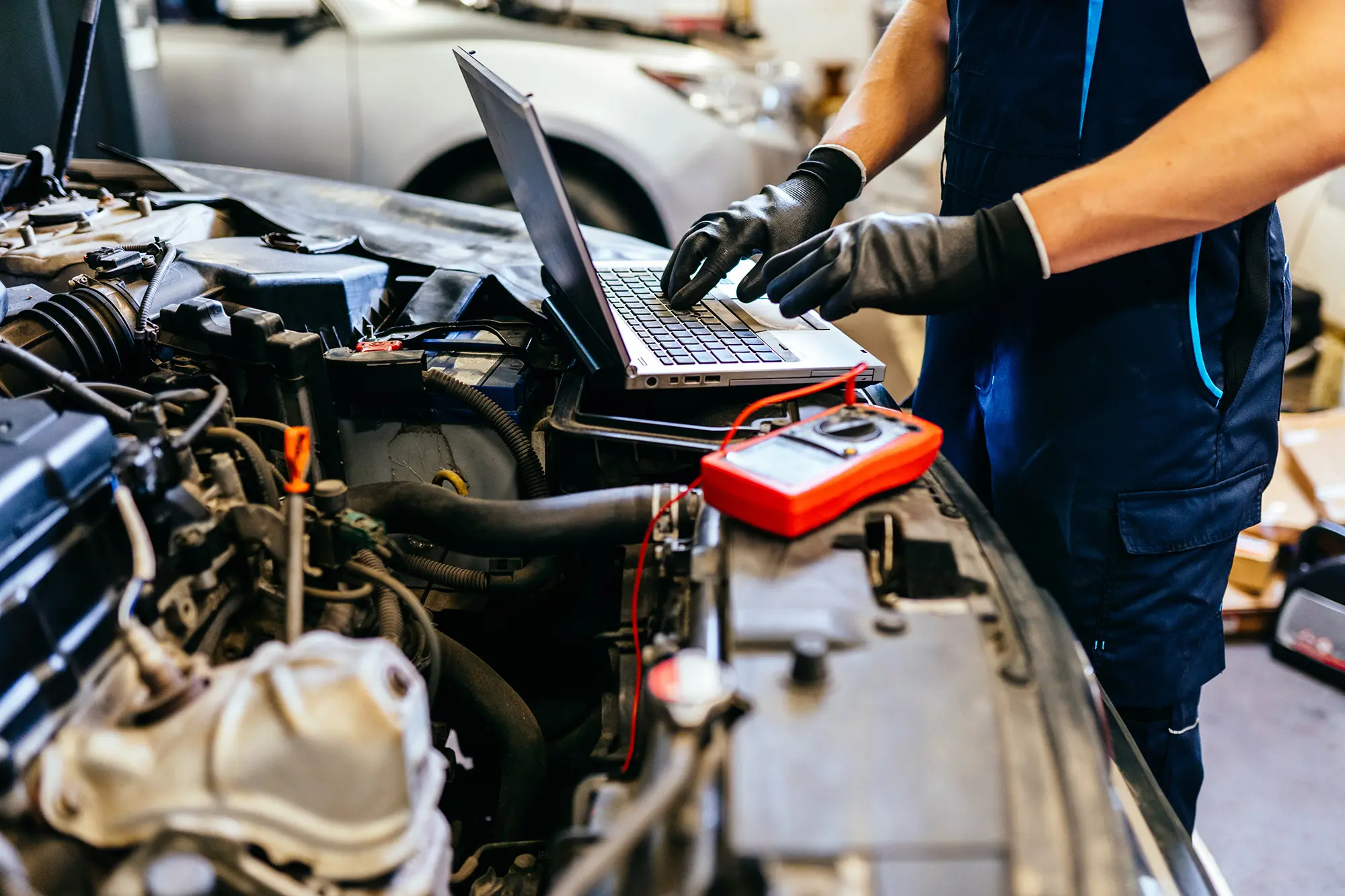
Unveiling Advanced Techniques in Auto Repair
As vehicles become more complex and technologically advanced, auto repair shops are constantly evolving to keep pace with the industry. In this blog, we will delve into the realm of advanced techniques in auto repair, shedding light on the intricate processes involved in maintaining and repairing modern vehicles.
The Art of Diagnostics: Precision in Identifying Vehicle Issues
Effective diagnostics is the foundation of successful auto repair. Modern vehicles are equipped with sophisticated onboard computer systems that generate error codes and provide valuable insights into potential problems. Skilled technicians leverage diagnostic tools and software to interpret these codes, enabling them to pinpoint the exact source of a vehicle's issues. From analyzing sensor data to performing live data streaming, these advanced techniques allow for precise and efficient troubleshooting.
Advanced Engine Performance: Optimizing Power and Efficiency
The engine is the heart of any vehicle, and advancements in technology have revolutionized the way engines operate. Auto repair shops now employ advanced techniques to optimize engine performance and improve fuel efficiency. From fine-tuning the fuel injection system to recalibrating the engine control unit, technicians can extract maximum power while ensuring optimal fuel consumption. These advanced adjustments require a deep understanding of engine dynamics and the ability to navigate intricate computer systems.
Cutting-Edge Transmission Repairs: Tackling Complex Gearbox Issues
Transmission repairs have evolved significantly over the years, with the introduction of advanced transmission systems such as dual-clutch and continuously variable transmissions (CVT). Repairing these intricate components demands specialized knowledge and expertise. Technicians trained in advanced transmission repairs can diagnose and resolve issues related to shifting delays, gear slippage, or abnormal noises. Utilizing advanced tools and techniques, they can disassemble, repair, and reassemble complex transmission systems to restore smooth and efficient vehicle operation.
High-Tech Safety Systems: Calibrating and Servicing Advanced Driver-Assistance Systems (ADAS)
Modern vehicles are equipped with sophisticated safety systems, including advanced driver-assistance systems (ADAS). These systems utilize sensors, cameras, and radar technology to enhance safety on the road. However, when these systems require maintenance or repairs, specialized knowledge and equipment are necessary. Auto repair shops trained in ADAS can calibrate and service these systems, ensuring they function accurately and reliably. From adaptive cruise control to lane-keeping assist, technicians can diagnose and rectify issues with precision.
As vehicles become more advanced, auto repair shops must stay ahead of the curve to effectively service and repair modern vehicles. From leveraging advanced diagnostics to optimizing engine performance, tackling complex transmission repairs, and servicing high-tech safety systems, these advanced techniques ensure that vehicles receive the specialized care they need. By embracing these advancements, auto repair shops can provide reliable and efficient services to keep vehicles running smoothly on today's roads.
Remember, when it comes to advanced auto repairs, it's essential to rely on the expertise of skilled technicians who are equipped with the knowledge, experience, and tools needed to handle intricate repairs.
11/01/2023Read more
Keeping Your Vehicle Running Smoothly: The Importance of Auto Tune-Ups and Repair Indicators
Regular auto tune-ups are crucial for maintaining the performance and longevity of your vehicle. In this blog post, we will delve into the significance of auto tune-ups, common repair indicators, and why seeking professional auto repair technicians is essential for effective maintenance and repairs.
The Importance of Auto Tune-Ups
Auto tune-ups involve a comprehensive inspection and maintenance of various components in your vehicle. This includes checking and replacing spark plugs, inspecting the ignition system, replacing filters, evaluating the fuel system, and ensuring proper lubrication. By performing these routine tune-ups, you optimize your vehicle's fuel efficiency, prevent potential breakdowns, and extend the life of your engine. Regular tune-ups also allow technicians to identify any underlying issues early on and address them before they escalate into more significant problems.
Common Repair Indicators
There are several indicators that your vehicle may require repair or maintenance. Unusual noises, such as squealing belts, grinding brakes, or knocking sounds from the engine, can signify potential issues. Difficulty starting the vehicle, poor acceleration, decreased fuel efficiency, or a rough idling engine may indicate the need for tune-ups or repairs. Warning lights on the dashboard, including the check engine light, should never be ignored. Any significant change in vehicle performance, such as a decrease in power or increased exhaust emissions, may also be an indication of underlying problems.
The Importance of Professional Auto Repair Technicians
When it comes to auto tune-ups and repairs, relying on professional auto repair technicians is crucial. Trained experts possess the knowledge, experience, and specialized tools required to diagnose and address a wide range of automotive issues accurately. They can conduct thorough inspections, perform necessary repairs, and provide valuable recommendations for preventive maintenance. Our professional technicians also have access to up-to-date diagnostic equipment, enabling them to identify hidden problems that may not be immediately apparent. By entrusting your vehicle to our skilled technicians, you can be confident in the quality of the repairs and maintenance performed.
Preventive Maintenance for Long-Term Vehicle Health
In addition to tune-ups and repairs, preventive maintenance is essential for the long-term health of your vehicle. This includes regular oil changes, tire rotations, fluid checks, and brake inspections. Following the manufacturer's recommended maintenance schedule ensures that your vehicle operates at peak performance and minimizes the risk of unexpected breakdowns. Our professional auto repair technicians can guide you in creating a personalized maintenance plan tailored to your vehicle's specific needs.
Conclusion
Regular auto tune-ups and repairs are vital for ensuring the optimal performance and reliability of your vehicle. By recognizing common repair indicators and seeking the expertise of professional auto repair technicians, you can address issues promptly and prevent more significant problems down the road. By prioritizing tune-ups and maintenance, you'll keep your vehicle running smoothly and enjoy many miles of trouble-free driving.
10/01/2023Read more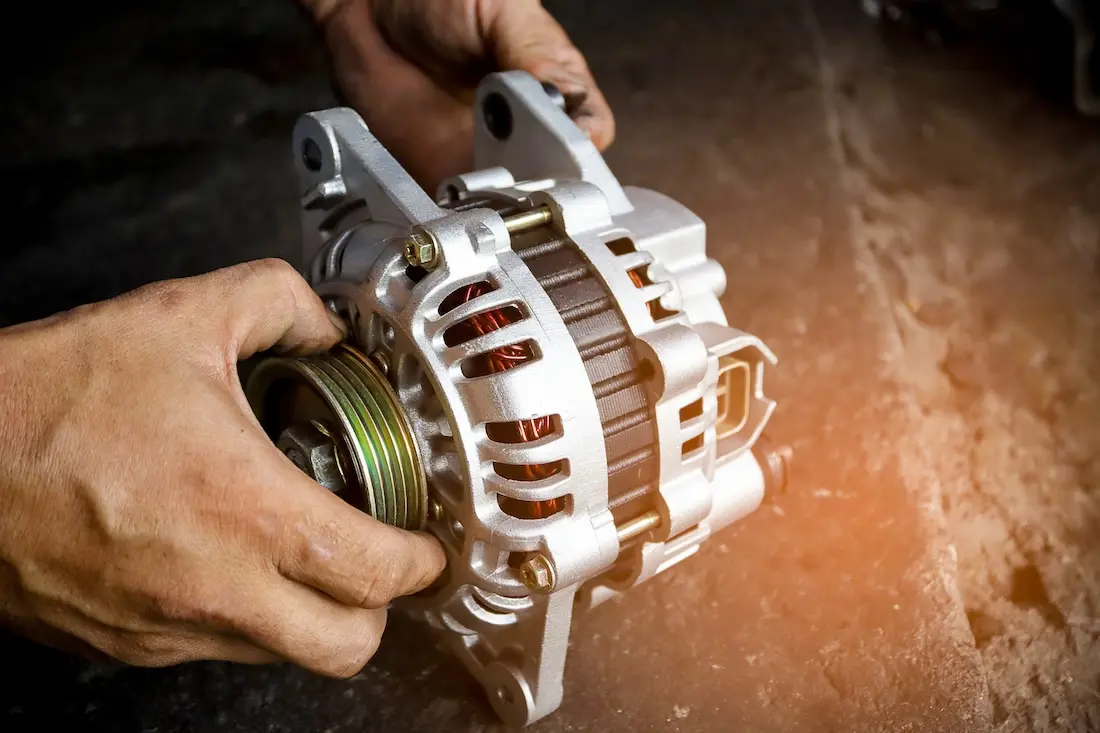
The Signs of a Failing Alternator
The alternator is what keeps the vehicle thriving while the engine is in drive mode or idle. It works as the primary electrical supply source for the vehicle. It contributes to the functionality of various parts, from the headlights to the radio. With this role, the battery and other electrical components rely on it, which can give it the potential to fail due to normal wear and tear. On top of normal wear and tear, there are many other causes of alternator failure that your vehicle will attempt to warn the driver. Below is an explanation of how an alternator works, signs of a failing alternator, and some common causes of failure.
How Does an Alternator Work?
A vehicle is made up of countless different parts that all work together to cater to the engine to run the vehicle. The alternator component powers most of the electrical parts of the vehicle while it runs or sits idle. The alternator is made of electrical power referred to as a Direct Current (DC) that supplies the headlights, electrical steering, windshield wipers, radio, and a few other functions with energy. An alternator turns mechanical energy into electricity, giving the drive belt power when an engine is running. The drive belt or serpentine belt shifts power to the engine and other parts such as the alternator. Using a pulley system and tensioner device, the serpentine belt constantly runs as the vehicle runs, and that rotational power motivates other parts to run. The serpentine belt leans on the pulley system while it turns the alternator's rotor shaft. The rotor shaft also transmits electrical power toward the engine. The rotor shaft spins the magnets that are in place to generate what is called an Alternating Current (AC). The alternating current sends currents to the alternator's rectifier component that converts the AC power into DC power. All this process is what makes a vehicle's electrical system function.
The alternator's role in a vehicle supplies many different parts with power; without it, it would be difficult for a vehicle to function at maximum capacity. Like any other component in a vehicle with a significant contribution to its success comes decline. Some of these declines may be due to time and use, while some causes of failure may be due to other elements.
Signs of Alternator Failure
- Dim or Overly Bright Lights
- Dead Battery
- Slow or Malfunctioning Accessories
- Trouble Starting or Frequent Stalling
- Growling and Whining Noises
- The smell of Burning Rubber or Wire
- Dim or Overly Bright Lights
Inconsistent voltage can be due to an alternator's failure to create enough energy to recharge the battery, negatively affecting the light system's functions.
Dead Battery
There are chances that a battery in a vehicle dies due to wear and tear, but there are some cases where a dead battery can be due to the alternator not being able to fulfill its purpose. The alternator gives the battery power to consistently provide electricity to several parts of the vehicle. If it is unable to keep the battery charged, the battery will stop functioning altogether and will have to be replaced.
Slow or Malfunctioning Accessories
As stated before, the alternator provides the battery with power, but if its ability to provide power collapses, the functions that rely on the battery's energy will also begin to decline. For example, the windows in modern vehicles utilize electrical energy for functionality, which means it depends on the battery's power to go up and down.
Trouble Starting or Frequent Stalling
There may be instances where specific parts like the spark plugs aren't getting enough power from the alternator and could be creating more significant issues that negatively affect the engine. When the spark plugs don't get enough power, it could stop the vehicle from running entirely.
Growling and Whining Noises
Growling and whining noises can signal that the serpentine belts that turn the alternator's pulley are misaligned, or they may even be rubbing up against the side of the pulley to create unwarranted sounds. These sounds are proactive ways for a vehicle to communicate that something is not working correctly and can lead to destruction if not taken care of as soon as possible.
The smell of Burning Rubber or Wires
The drive belt of the alternator has a vital function. Over time, it can fail, and it will signal this failure through the smell of burning materials. A lot of tension and friction goes into supplying power to the alternator, and being that it is close to the engine, it can create thermal energy.
These signs are ways that a vehicle proactively communicates that something is wrong. Some of these signs can tie to more than one issue, but all contribute to failure. With these listed signs come causes. Some causes of loss can be due to normal wear and tear, and some can be because a corresponding part needs attention. Each sign can be rooted in something else.
Common Causes of Alternator Failure
- Wear and Tear
- Overuse
- Faulty Parts
- Hear Damage
- Exposure to Water
- Frayed Wires
The most common cause of a failing alternator is the regular use of a vehicle. These parts are designed to work together for a long time to supply the engine with power. Over time, parts have nothing to give anymore and must be replaced. Issues like heat damage, exposure to water, or frayed wires are due to other problems that will require repairs done by a professional.
10/15/2022Read more
Seeing Clearly: Windshield Wiper and Fluid Maintenance
In the intricate dance of automotive maintenance, one often overlooked performer is the humble windshield wiper and its trusty sidekick, the windshield wiper fluid. While their roles may seem minor compared to the engine or brakes, these components play a crucial role in ensuring your safety on the road. In this guide, we'll delve into the importance of windshield wiper fluid maintenance, the significance of timely windshield wiper replacement, and the signs that should prompt a visit to your trusted auto repair shop.
The Purpose of Windshield Wiper Fluid: More Than Just a Spray
Windshield wiper fluid, often dismissed as a convenience, is a vital component of your vehicle's safety system. Its primary purpose is to enhance visibility by effectively cleaning the windshield. Unlike water, windshield wiper fluid contains cleaning agents and additives that break down grime, bugs, and other debris, ensuring a clear and unobstructed view for the driver.
Proper windshield wiper fluid maintenance involves more than simply topping off the reservoir. Regularly checking and replenishing the fluid is essential, especially during seasons when roads are salted or dusty. The right windshield wiper fluid not only improves visibility but also helps prevent the buildup of residue that could compromise the effectiveness of your wipers.
Windshield Wiper Replacement: When to Bid Adieu to Old Blades
Equally critical to maintaining a clear field of vision is the condition of your windshield wiper blades. Over time, wiper blades wear out due to exposure to the elements, including sunlight, rain, and debris. The effectiveness of the blades diminishes, leading to streaks, smears, and reduced visibility.
Knowing when to replace your windshield wiper blades is crucial. As a general rule of thumb, consider replacing them every six months to a year, but individual driving conditions may necessitate more frequent replacements. Signs that your wiper blades are due for retirement include:
- Streaking or Smearing: If your wipers leave streaks or smears on the windshield, it's a clear indicator that the blades have lost their effectiveness.
- Skipping or Chattering: Wiper blades should move smoothly across the windshield. If you notice skipping or chattering movements, it's a sign that the blades have become uneven or damaged.
- Squeaking Noises: Unusual squeaking sounds during operation suggest that the rubber on the wiper blades is no longer making proper contact with the windshield.
- Visible Wear and Tear: Inspect the wiper blades regularly for visible signs of wear, such as fraying, cracking, or rounded edges. These are clear indications that replacement is overdue.
When to Seek Professional Attention at an Auto Repair Shop
While topping off windshield wiper fluid and replacing wiper blades are tasks many vehicle owners can handle, there are instances where professional attention is necessary:
- Fluid Not Dispensing: If your windshield wiper fluid reservoir is full, but the fluid isn't dispensing onto the windshield, there may be a clog or a malfunction in the system that requires expert diagnosis.
- Wipers Not Operating Smoothly: If your wipers exhibit irregular movements, fail to engage, or operate erratically, it's a sign that there may be issues with the wiper motor or linkage, requiring the expertise of an auto repair professional.
- Persistent Visibility Issues: If you've addressed fluid and blade maintenance, yet visibility issues persist, it could indicate a deeper problem, such as scratched glass or misaligned wiper arms. A professional inspection can identify and rectify these issues.
Conclusion
The importance of windshield wiper fluid maintenance and timely wiper blade replacement cannot be overstated when it comes to ensuring a safe and comfortable driving experience. Regular checks and proactive replacements, coupled with periodic visits to your local auto repair shop for professional attention, will keep your windshield clear and your vision unobstructed on the open road. Prioritize the clarity of your windshield, and you'll be better equipped to navigate whatever conditions the journey throws your way.
03/15/2024Read more
Alternator Empowerment: Unveil its Crucial Role
The Heart of the Charging System: Understanding the Alternator
The alternator is, in many ways, the heart of your vehicle's charging system. Its primary function is to generate electrical power while the engine is running, supplying the energy needed to charge the battery and power various electrical components in your vehicle. This small yet powerful device is typically located near the front of the engine and is often driven by a belt connected to the engine's crankshaft.
The alternator operates on a simple yet ingenious principle: as the engine runs, a rotor inside the alternator spins within a set of stationary coils known as the stator. This motion induces an alternating current (AC) in the stator windings. To make this electrical energy usable in your vehicle, a rectifier within the alternator converts the AC to direct current (DC). This DC power is then utilized to charge the battery and provide a steady flow of electricity to various components and accessories.
Supporting Cast: What Components Rely on the Alternator?
While the alternator's primary role is to charge the battery, its influence extends to several other critical components and systems in your vehicle. Here are some key areas where the alternator makes a significant impact:
- Charging the Battery: The alternator ensures that your vehicle's battery remains charged. A charged battery is essential for starting your vehicle, and it also provides power when the electrical load exceeds what the alternator alone can supply.
- Powering Electrical Systems: From headlights and taillights to the air conditioning system and entertainment features, the alternator powers a variety of electrical components. This ensures that your vehicle's systems operate smoothly and efficiently.
- Voltage Regulation: The alternator works in conjunction with a voltage regulator to maintain a stable voltage level throughout the electrical system. This helps prevent overcharging or undercharging of the battery and ensures consistent power supply to all components.
Signs Your Alternator Needs Attention: Listen to Your Vehicle's Warning Signals
Just like any other component in your vehicle, the alternator can experience wear and tear over time. Recognizing the signs of a failing alternator is crucial in preventing unexpected breakdowns. Here are some indicators that the alternator in your vehicle may need inspection and, potentially, replacement by a knowledgeable auto repair shop:
- Dimming Lights: If you notice the headlights or interior lights dimming while driving, it could be a sign of a struggling alternator. The alternator might not be generating enough power to meet the electrical demands of your vehicle.
- Strange Noises: Unusual noises, such as grinding or whining, coming from the alternator area could indicate a problem. This might be due to a failing bearing or other internal issues.
- Warning Lights: Keep an eye on the dashboard for warning lights. The battery light or alternator symbol illuminated could be a clear indication that your alternator needs attention.
- Difficulty Starting: A weak or failing alternator might result in a discharged battery, leading to difficulty starting your vehicle. If you experience trouble starting your vehicle, it's wise to have both the battery and alternator checked.
- Burning Smell: A burning smell, especially when you're using multiple electrical components, could indicate an overheating alternator. This requires immediate attention to prevent further damage.
Trust the Experts: Timely Alternator Inspection and Replacement
When you observe any of these warning signs, it's crucial to consult a knowledgeable auto repair shop promptly. Professional technicians have the expertise to diagnose alternator issues accurately and can recommend whether a repair or replacement is necessary.
Ignoring alternator problems can lead to a drained battery, leaving you stranded with an inoperable vehicle. Regular maintenance checks, including alternator inspections, can help prevent such scenarios and ensure the longevity of your vehicle's electrical system.
Conclusion
While the alternator may seem like a modest component, its role in keeping your vehicle powered and operational is anything but small. Understanding its function and being vigilant for warning signs can save you from unexpected breakdowns on the road. Trust the experts at our auto repair shop to keep your alternator—and your entire vehicle—in top-notch condition, ensuring a smooth and reliable driving experience.
05/15/2024Read more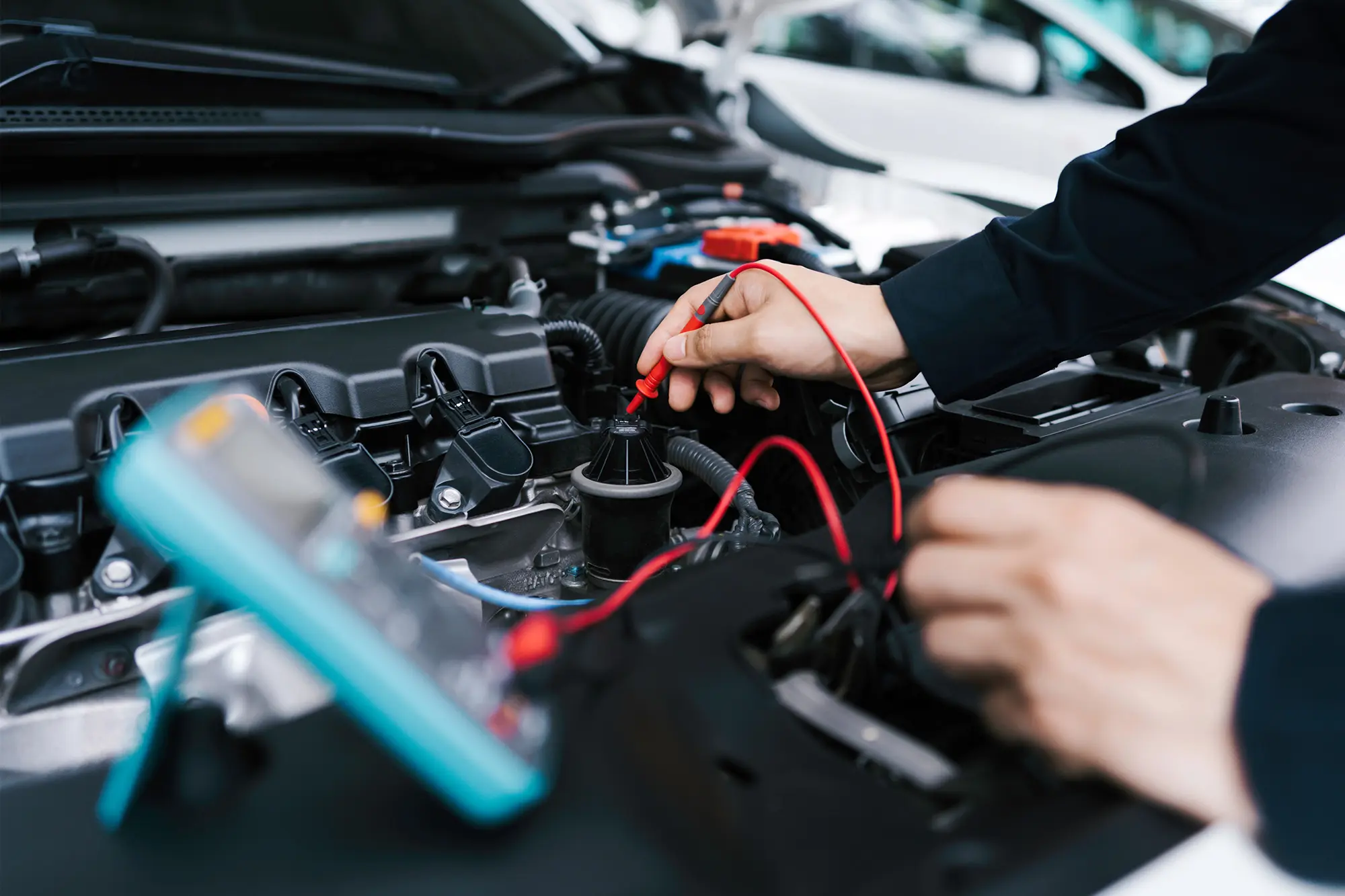
How to Preserve My Vehicle's Battery
The battery in your vehicle requires regular maintenance, just like your oil. In fact, your vehicle’s battery could be in poor condition, and you do not even know it. The battery provides the power your vehicle needs to keep moving. Generally, your battery will stay charged from your alternator as you drive, but if you leave your vehicle sitting for an extended period of time or it is an old battery, this may not occur. You do not want to be out and about and be stuck and stranded due to a dead battery. There are many ways to help preserve your battery so that this does not happen to you. If you do experience battery issues or need battery replacement, see our automotive repair shop for all your battery needs.
How long does your vehicle’s battery last?
The battery in your vehicle typically lasts between 3 and 5 years. This is mainly due to the changes in weather, such as driving during the hot summer days. Your engine is producing a lot of heat, and with the weather scorching down on your battery well, this can severely affect your battery’s overall lifespan. This is also because there is fluid in your battery, and this fluid evaporates, which changes how well it can hold a charge. With all of this said, this entails that vehicle batteries typically last longer in colder climates. Regardless of your environment, taking proper precautions and maintaining your battery is essential.
Steps you can take to preserve your battery
There are several things you can do to help preserve your battery. These suggestions are the best ways to ensure your battery has a long life!
- Keep your battery fastened tightly- Vibrations can significantly reduce the longevity of your battery, so keeping it securely fastened will prevent excessive vibrations
- Keep your battery clean- a dirty battery can corrode or create mild short circuits, eventually creating a dead battery. Keeping them clean and free of corrosion will help prevent this.
- Minimize heat- Extreme heat is brutal on your battery. Prevention includes parking in the shade or a garage.
- Avoid short trips- Your vehicle's battery can't fully charge during short trips. Drive your automobile frequently and for long stretches of time to keep the battery charged.
- Don’t leave the lights on- Keeping your headlights or interior lights on while the engine isn't running is hard on the battery. Always turn off all accessories before leaving the vehicle, and ensure the lights are out before you leave.
- Use your vehicle- Batteries inherently lose charge over time, a process known as "self-discharge," regardless of the brand. Drive your vehicle so your alternator can recharge your battery.
Receiving regular battery service
Regular maintenance work is required for the engine in your vehicle. One of the many parts of an engine that might fail if not properly maintained is the vehicle battery. Keep your battery on the list of maintenance items to check, so you're never caught with a bad or dead battery. Our automotive repair shop can help. We have expert technicians and technology to see if your vehicle needs a new battery, and we can also handle all your battery replacement needs as well!
02/15/2023Read more
Warning Signs of a Failing Starter
A vehicle's starter or starter motor is the electrical source of power that turns over to crank the engine and begin ignition. The starter works with the battery and other electrical components such as wiring to start the vehicle. The battery is the number one voltage or power source in a vehicle and consists of Direct Current (DC). The battery supplies the vehicle with 12 volts of power and the starter relies on this energy to initiate. When a vehicle is turned over, the starter motor must have a high electric current and sufficient power to start, or else the starting process will fail. The starter is made up of two different parts: the crankshaft and the solenoid. The two components work together with the support of the battery during the cranking process.
What are the signs a Starter has failed?
When a starter has failed, the engine will not have the power that it needs to run. Often a vehicle will indicate that its energy supply from the starter is insufficient through various signals. Some of the most common signals of a bad starter include:
- The engine not turning over or cranking
- Clicking, grinding, or whirring noises
- Irregular issues when starting the vehicle
- The starter stays on after the vehicle is started
- Smoke comes from the vehicle
- The starter engages but the motor fails to start
- The battery is dead
Starter issues can present themselves if proper maintenance is not a priority. Often, the reasons for a failing starter are simple and can be avoided when the vehicle is inspected during maintenance appointments regularly. A technician typically monitors the components of a vehicle during scheduled maintenance service and lack of routine can inhibit the vehicle owner from knowing what is going on under the hood. When a driver is aware of their vehicle's parts and the functionality of the components therein, then it permits the opportunity to catch and alleviate minor issues before they turn into costly repairs down the line.
What Causes Starter Issues?
Starter issues can be caused by lack of maintenance, but they can also be the result of normal wear and tear. All vehicle components aren't designed to live forever and will fail and need to be replaced eventually. The most common reasons that a starter begins to have issues and needs to be replaced are as follows:
- There are loose wires to and from the starter
- The started connections are dirty and corroded
- The battery is corroded
- The parts of the starter system are damaged or worn
- There is an oil leak
- The relay or fuses are bad
A bad starter can be the result of overlooking its components over time. Corrosion is normal but should be monitored and as soon as it is identified on any of the vehicle parts even when it is minimal, it should be rectified. Oil leaks happen and usually start small but with a proper maintenance schedule can be caught early. Worn-out or damaged parts are a part of normal wear and tear. Your vehicle is being started every day to get you to and from where you need to go. The parts that make up the starter system like the wiring can only las so long before attention is needed. It is highly recommended to place your vehicle on a maintenance schedule to remain proactive when unnoticeable issues occur under the hood of a vehicle.
02/01/2023Read more
Decoding Vehicle Noises: Your Car's SOS Signals
Have you ever been behind the wheel and suddenly heard a strange noise emanating from your vehicle? Whether it's a mysterious clunk, an unsettling squeal, or a subtle hum, these noises are often your car's way of sending an SOS signal, indicating that something might be amiss with one of its crucial components, systems, or parts. In this blog, we'll explore common vehicle noises, their meaning, and the best way for vehicle owners to handle these situations.
What Do These Messages Sound Like, and What Components May Need Attention?
Exhaust System Woes: Rattling or Hissing
When your vehicle emits rattling or hissing sounds, it's akin to the exhaust system raising its hand for attention. This auditory signal may indicate a loose or damaged heat shield, exhaust pipe, or muffler. Overlooking these sounds could lead to more than just an annoying noise; it could result in further damage and a decline in fuel efficiency. Addressing these issues promptly ensures that your vehicle's breath remains unobstructed.
Engine Alarms: Knocking or Pinging
An engine's rhythmic purr can be disrupted by knocking or pinging sounds, a subtle but significant cry for help. These noises often signify problems with the fuel and air mixture, potentially caused by faulty spark plugs or a malfunctioning sensor. Timely attention to these engine alarms is crucial, acting as a preventive measure against more severe engine issues down the road.
Engine Alarms: Ticking or Clicking
Similar to a heartbeat, the ticking or clicking sounds emanating from your engine may be signaling internal distress. Low oil levels, worn lifters, or other engine problems may be at play. Regular oil checks and changes act as the lifeblood, ensuring that your engine components remain well-lubricated and wear-resistant.
Brake System Cues: Squeaking or Grinding
The symphony takes a darker turn when the brake system chimes in with squeaking or grinding sounds. These unsettling notes often point to worn brake pads or damaged rotors. A prompt brake system inspection becomes a necessity, safeguarding not only your vehicle's braking performance but also the safety of everyone on the road.
Suspension Distress: Clunking or Banging
As your vehicle encounters bumps and undulations, clunking or banging sounds may emerge, signaling potential trouble within the suspension system. Worn-out or damaged components, such as struts or bushings, could be the culprits. Addressing suspension distress promptly is akin to giving your vehicle a smoother ride and enhancing its handling prowess.
Transmission Troubles: Whining or Clunking
The transmission, a crucial component in the vehicle's powertrain, communicates through whining or clunking sounds when it faces trouble. Low fluid levels or a failing torque converter may be the culprits. Timely transmission maintenance becomes the conductor's wand, orchestrating harmony and preventing major repairs.
Tire-related Troubles: Thumping or Clicking
As your tires roll along the pavement, thumping or clicking sounds may disrupt the journey. These noises could be the tire's way of communicating uneven wear, foreign objects lodged within, or damaged wheel bearings. Regular tire inspections and rotations act as the tire's well-deserved encore, extending tire life and ensuring a safer voyage.
Steering System Signals: Squealing or Whining
The steering system, responsible for directing your vehicle's course, may express distress through squealing or whining sounds. Problems with the power steering pump or low fluid levels could be the root cause. Addressing these steering system signals promptly ensures safe and effective control over your vehicle's path.
Belts and Pulleys at Play: Squeaking or Chirping
Worn or loose belts and pulleys join the symphony with squeaking or chirping sounds. Regular inspections and replacements of these components prevent unexpected breakdowns, ensuring that your vehicle's mechanical ensemble performs harmoniously.
Cooling System Concerns: Hissing or Bubbling
Beneath the hood, a cooling system in distress may audibly hiss or bubble, signaling potential leaks or radiator issues. Ignoring these cooling system concerns could lead to overheating and consequential engine damage. A timely inspection is the vehicle's way of maintaining its cool demeanor.
Electrical Hiccups: Buzzing or Humming
In the realm of wires and currents, buzzing or humming sounds may signify electrical hiccups. Faulty components like alternators or relays could be the culprits. A prompt electrical system inspection is the troubleshooter, ensuring the seamless operation of your vehicle's electronic ensemble.
Handling the Situation: A Vehicle Owner's Guide
To ensure the longevity and optimal performance of your vehicle, it's imperative to adopt a proactive approach towards its well-being by listening for unusual sounds, pinpointing the source of the noise, understanding your vehicle by reading over its manual, scheduling regular maintenance check-ups, and address issues as they arise is crucial to ensuring the longevity of a vehicle and its parts. Use this list to adopt the practices necessary for any vehicle's health.
- Listen Attentively: Pay attention to any unusual sounds your vehicle makes. The sooner you identify a potential issue, the easier and less expensive it may be to fix.
- Identify the Source: Try to pinpoint the source of the noise. Is it coming from the engine, under the vehicle, or inside the cabin? This information can help your mechanic diagnose the problem more effectively.
- Consult the Owner's Manual: Your vehicle's owner's manual is a valuable resource. It often includes information on common noises and what they might indicate. Use it as a reference guide.
- Schedule a Professional Inspection: If you're unsure about the cause of a noise or if it persists, don't hesitate to take your vehicle to a qualified mechanic. They have the expertise and tools to diagnose and address issues accurately.
- Regular Maintenance: Preventive maintenance is key to keeping your vehicle in optimal condition. Follow the manufacturer's recommended maintenance schedule, including oil changes, brake inspections, and fluid checks.
- Address Issues Promptly: Once a problem is identified, address it promptly. Ignoring vehicle noises or delaying repairs can lead to more extensive and costly issues.
Conclusion
Your vehicle is equipped with a built-in communication system, and the noises it makes serve as vital signals about its well-being. By understanding these sounds and taking prompt action, you can keep your vehicle running smoothly, enhance safety, and potentially save on costly repairs. Treat your car's SOS signals with the attention they deserve, and you'll enjoy a more reliable and trouble-free driving experience.
02/01/2024Read more
Ins and Outs of Heating Systems
A vehicle's heating system is mainly celebrated for its ability to keep passengers warm during every commute in the colder seasons. The air conditioning and heating systems are parallel in their roles and skills to maintain a comfortable ride, whether in cold or warm weather. These systems also contribute to the support of the engine and its functionality with the shared role of decreasing the chance of overheating and possible breakdowns. Many components make up the heating system, all of which have different functions and abilities.
What makes up a heating system?
The heating system in a vehicle is comprised of many different parts. Still, they all serve the purpose of one or two things: either heating the passengers of the vehicle or supporting the engine from overheating. The parts that make up the heating system are as follows:
- Heater core
- Blower/motor fan
- Heater hoses
- Heater control valve
- HVAC (heating, ventilation, air conditioning) control panel
These components play different roles, but all contribute to blowing heated air out of the cabin to warm up every passenger in a vehicle. As stated before, the heating and air conditioning systems share a similar purpose: to eliminate excessive heat in the engine.
How does the Heating System work?
The heating system reflects the cooling system because it uses the coolant fluid to keep the engine cool and the passengers from either being too hot or too cold. The primary part of the heating system is the heater core. The heater core is located in the vehicle's dashboard, is similar to a radiator in its functionality, and is the avenue in which the heater fan blows air through to be released through the vents. Coolant flows from the heater core and is then regulated by the heater valve to produce warm air. Like a radiator, excess heat is detected from the engine, and the coolant fluid is released and sent to the engine to absorb that heat. That heat must be released somewhere, which is where the heating system comes into play. The heating system either absorbs the heat to be released to warm up passengers or absorbs the heat to eliminate overheating within the engine. The heating system works alongside the cooling system to support the engine, which is a significant role that requires a lot of labor. Like every other vehicle component, maintenance, repairs, and replacements come about due to normal wear and tear and improper maintenance practices. Vehicle parts are built to last as long as possible but are capable of declining in performance and eventually giving out completely.
Heating System Maintenance Tips
Being that the heating system works closely with the engine and its parts, it is highly recommended to make professional inspections and routine maintenance a necessity. Experts suggest having the heating system in a vehicle looked at as soon as heating capabilities begin to show poor performance of any kind because not only can it impact the passengers resulting in an uncomfortable ride, but it can also take away from its primary role of supporting the engine's temperatures. For this reason, professionals highly support a regularly scheduled maintenance routine to have the components inspected and adequately replaced or repaired using top-of-the-line parts.
01/15/2023Read more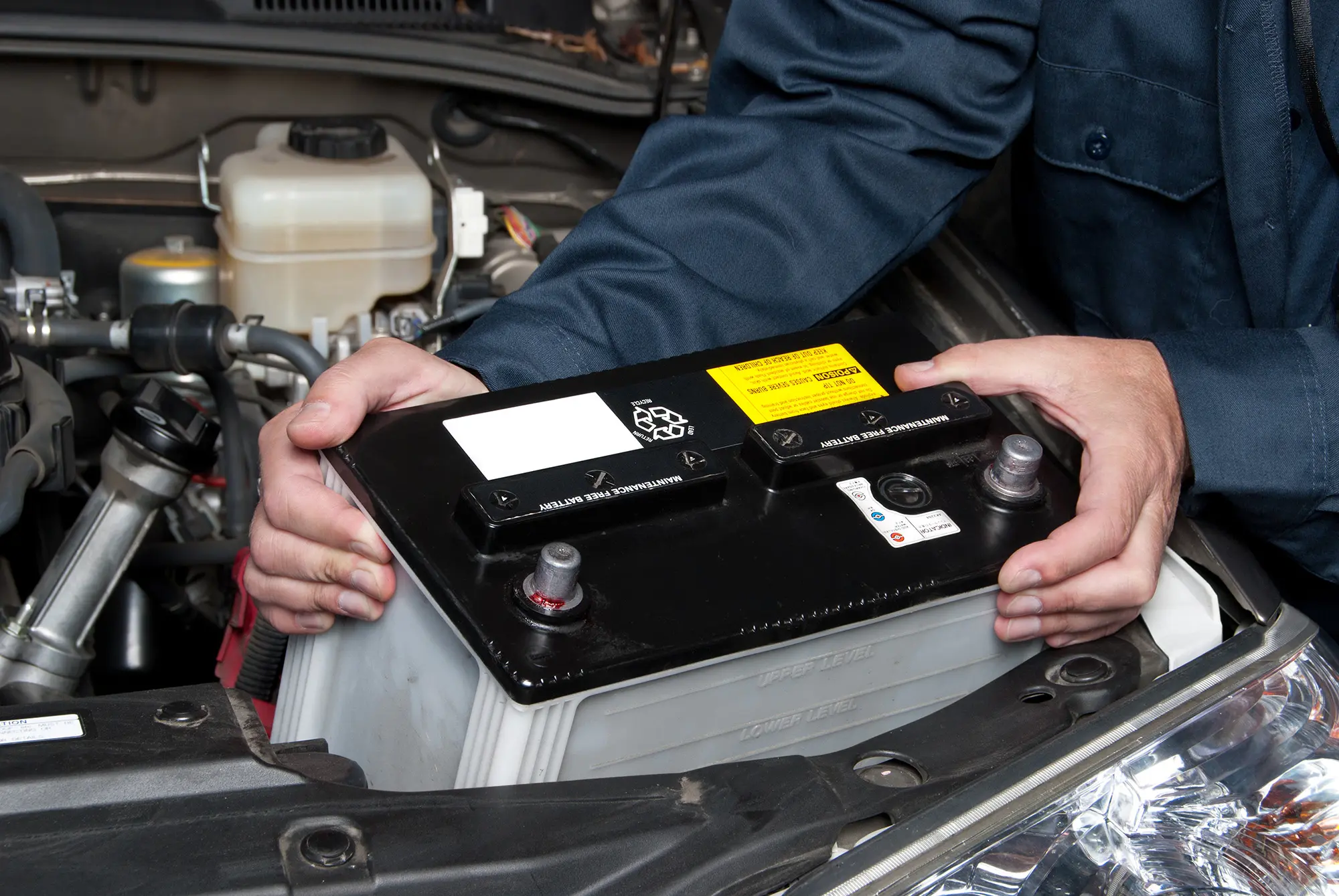
Understanding Auto Battery Issues and Repair Indicators
A reliable and well-functioning auto battery is crucial for powering the electrical systems in your vehicle. However, battery issues can arise over time, affecting your vehicle's performance and leaving you stranded. In this blog post, we will explore common auto battery problems, signs of battery wear and failure, and the importance of seeking professional auto repair technicians for battery repair.
Understanding Auto Battery Issues
Auto batteries can experience various issues, including age-related degradation, corroded terminals, and sulfation. Over time, batteries can lose their ability to hold a charge, leading to difficulties starting the vehicle or frequent battery drain. Corroded terminals can interfere with proper electrical connections, while sulfation occurs when lead sulfate crystals build up on the battery plates, reducing its effectiveness. Understanding these issues can help you identify and address battery problems promptly.
Signs of Auto Battery Wear and Failure
There are several indicators that your auto battery may require repair or replacement. Dim headlights, a slow or hesitant engine crank, or a clicking sound when starting the vehicle are common signs of a weak or failing battery. Additionally, frequent jump-starts, a sudden loss of battery power, or an illuminated battery warning light on the dashboard should not be ignored. If you notice a strong sulfur or rotten egg smell near the battery, it could indicate a leak or internal damage. Recognizing these warning signs can save you from unexpected breakdowns and potential auto repair expenses.
The Importance of Seeking Professional Auto Repair Technicians
When facing auto battery issues, it is essential to consult professional auto repair technicians. These experts have the knowledge and tools required to accurately diagnose battery problems. They can perform battery tests to assess its overall health and determine if repair or replacement is necessary. Professional technicians can also inspect and clean corroded terminals, ensuring proper electrical connections and prolonging battery life. By relying on their expertise, you can be confident in the quality of repairs and the optimal performance of your vehicle's battery.
Preventive Measures for Battery Health
To minimize the likelihood of auto battery issues, regular maintenance is crucial. Keep the battery terminals clean and free from corrosion by periodically cleaning them with a mixture of baking soda and water. Avoid leaving lights or electrical accessories on when the vehicle is turned off, as this can drain the battery. Regularly check the battery's voltage and consider having it tested during routine auto maintenance to identify any potential issues early on.
Conclusion
Your auto battery is the heart of your vehicle's electrical system, and addressing battery issues promptly is essential. By recognizing the signs of battery wear and seeking professional auto repair technicians, you can ensure reliable performance and avoid unexpected breakdowns. With regular maintenance and expert repairs, your auto battery will keep your vehicle powered up and ready for the road ahead.
09/15/2023Read moreBattery Basics: From Jump Starts to Replacements, Demystified
The battery, often overlooked but crucial, functions as the heart of your vehicle's electrical system. Turning the key initiates a chemical reaction between lead plates and electrolyte, generating the electrical energy needed to start the engine. Over time, various factors like extreme temperatures or prolonged use can impact a battery's efficiency. Regular inspections and preventive measures are vital to extending its lifespan.
Understanding the basic anatomy of a battery is the initial step. Most vehicles rely on lead-acid batteries, comprising cells with lead plates submerged in an electrolyte solution. When you turn the key, a chemical reaction between these lead plates and the electrolyte generates electrical energy, sparking the engine's ignition.
Jump Starts and Troubleshooting
Dealing with a dead battery is a common woe for vehicle owners. While knowing how to jump-start your vehicle is valuable, it's equally crucial to recognize when it's merely a temporary solution. Frequent jump-starts might signal an underlying issue, necessitating a professional inspection.
A jump start provides a temporary charge to the battery, allowing you to start your vehicle. However, it doesn't address the root cause. If your battery frequently requires a jump, it could be due to a failing alternator, a parasitic drain, or a defective component in the electrical system. Professional diagnostics can pinpoint the problem, offering a long-term solution.
Knowing When to Replace
All components, including batteries, have a finite lifespan. Recognizing when to replace your battery can save you from unexpected breakdowns. If your vehicle struggles to start, even after a jump, or if you notice a bloated or leaking battery, it's time for a replacement. Regular battery checks during routine maintenance can help identify potential issues before they become emergencies.
Factors such as climate, driving habits, and vehicle type influence a battery's lifespan. In harsh climates, batteries tend to degrade faster. If your vehicle is more than three years old, having the battery professionally tested during regular maintenance is wise. This proactive approach helps you replace the battery before it fails, preventing inconvenient situations.
Professional Battery Services
While some battery-related issues can be DIY, seeking professional help is often the safest and most efficient solution. Auto shops offer battery diagnostics to accurately assess its health. They can identify issues, provide necessary replacements, and ensure your vehicle's electrical system runs smoothly.
A professional inspection involves testing the battery's voltage, inspecting for physical damage, and checking the charging system. If needed, they can recommend and install a suitable replacement battery, ensuring compatibility with your vehicle's specifications.
A well-maintained battery is crucial for your vehicle's reliability. Regular checks, timely replacements, and professional services contribute to the longevity of your battery, keeping your vehicle running smoothly.
04/01/2024Read more